Liberia's Presidents & Leaders

Explore the lives, leadership, and legacies of the people who shaped Liberia's history.

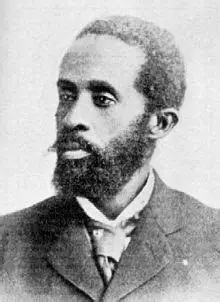
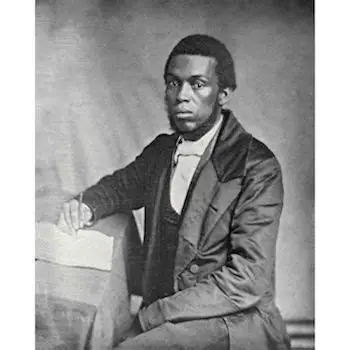
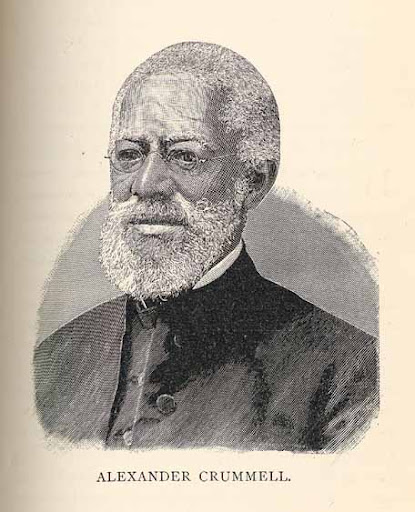
Alexander Crummell - Liberian historical leader

Alexander Crummell

1853–1872

Episcopal Priest; Missionary; Educator; Professor; Writer; Intellectual; Abolitionist; Africanist; Early Pan-African

Alexander Crummell was an American-born Episcopal priest, educator, writer, missionary, and intellectual whose career became closely connected with nineteenth-century Liberia. Born in New York City in 1819 to free Black parents, Crummell faced racial barriers in American education and religious institutions but continued his studies through abolitionist schools and eventually graduated from Queens' College, Cambridge, in England in 1853. That same year, he traveled to Liberia as an Episcopal missionary and became one of the country's important early educators and religious leaders. For approximately twenty years, Crummell worked in Liberia as a priest, teacher, missionary, professor, and public intellectual. He taught at Liberia College, served churches and schools in Monrovia, Maryland County, and the St. Paul's River area, and promoted education and Christian institutions. He also developed influential ideas about African self-development, Black intellectual advancement, African identity, and the historical role of Liberia. His writings later became important to the development of Black nationalism and Pan-African thought.

Read More →
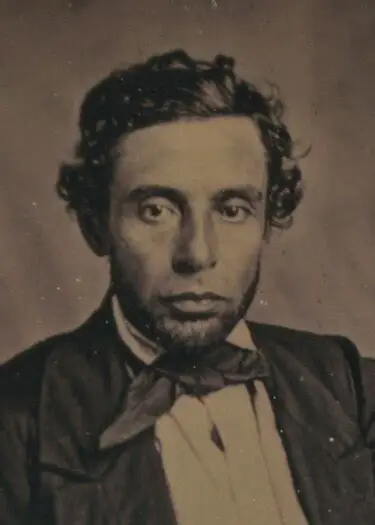
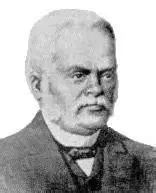
Alfred Francis Russell - Liberian historical leader

Alfred Francis Russell

1883–1884

10th President of Liberia; Vice President of Liberia; Senator; Methodist Minister; Politician

Alfred Francis Russell was the tenth President of Liberia, serving from 1883 to 1884 after succeeding Anthony William Gardiner. Born in Kentucky in 1817, Russell emigrated to Liberia with his family in 1833 and became a Methodist minister, educator, politician, and statesman. Before becoming president, he served as a senator from Montserrado County and as Vice President under Gardiner. His presidency was brief and took place during a difficult period when Liberia faced economic weakness and increasing European pressure on its territorial claims. He left office in 1884 and was succeeded by Hilary R. W. Johnson.

Read More →
Anthony William Gardiner - Liberian historical leader

Anthony William Gardiner

: 1878–1883

9th President of Liberia; Vice President of Liberia; Speaker of the House of Representatives; Lawyer; Politician

Anthony William Gardiner was the ninth President of Liberia and served from 1878 to 1883. Born in Southampton County, Virginia, in 1820, he emigrated to Liberia as a child and became a lawyer, politician, and statesman. He entered public life through the legislature, served as Speaker of the House of Representatives and later as Vice President, before becoming president. His administration faced serious economic difficulties and increasing European territorial pressure on Liberia. The most important crisis of his presidency involved the Gallinas territory in northwestern Liberia, which Britain sought to incorporate into neighboring Sierra Leone. Gardiner resigned from office in 1883 amid the dispute, making his presidency an important period in the history of Liberia's struggle to preserve its territorial claims during the era of European colonial expansion.

Read More →
Arthur Barclay - Liberian historical leader

Arthur Barclay

1904–1912

: 15th President of Liberia; Secretary of State; Secretary of the Treasury; Postmaster-General; Mayor of Monrovia; Lawyer; Judge; Educator; Diplomat; Politician

Arthur Barclay was the fifteenth President of Liberia, serving from 1904 to 1912. Born in Bridgetown, Barbados, in 1854, he immigrated to Liberia with his family in 1865 and was educated at Liberia College. He became a lawyer and held numerous government positions, including private secretary to President Joseph Jenkins Roberts, judge, Postmaster-General, Secretary of State, and Secretary of the Treasury. As president, Barclay faced severe financial difficulties, foreign debt, territorial questions, and the challenge of strengthening Liberia's administration. His government also developed policies that increased the central government's relationship with Indigenous communities and helped shape Liberia's early twentieth-century administrative system. He later served as president of Liberia College and remained an influential elder statesman.

Read More →
Benjamin J. K. Anderson - Liberian historical leader

Benjamin J. K. Anderson

1850–1870

Civil Servant; Diplomat; Explorer; Government Official; Writer; Government Expedition Leader

Benjamin J. K. Anderson was a nineteenth-century Liberian civil servant, diplomat, explorer, writer, and government official whose work contributed to Liberia's knowledge of and relations with the country's interior. Born in the United States in the nineteenth century, Anderson migrated to Liberia as a young man and entered public service. He became one of the most notable Liberian officials involved in government expeditions into the interior, particularly the regions around Musardu and the Western Manding territories. His journeys were important because Liberia's political authority in the nineteenth century was concentrated largely along the coast, while many inland communities maintained their own political systems and relationships. Anderson's expeditions gathered information about geography, peoples, settlements, trade, political authorities, and natural resources. His reports became important sources for the Liberian government and later historians studying the country's nineteenth-century interior.

Read More →
Charles Dunbar Burgess King - Liberian historical leader

Charles Dunbar Burgess King

1920–1930

17th President of Liberia; Secretary of State; Diplomat; True Whig Party Leader

Charles Dunbar Burgess King was the seventeenth President of Liberia, serving from 1920 to 1930. A prominent True Whig politician and diplomat, he held several important government positions before becoming president, including Secretary of State. His presidency was shaped by Liberia's growing international connections, economic difficulties, and increasing international criticism over the treatment of Indigenous Liberians. His administration became particularly controversial following the 1930 international investigation into allegations of forced labor and slavery. King resigned from office in December 1930 after the publication of the findings.

Read More →
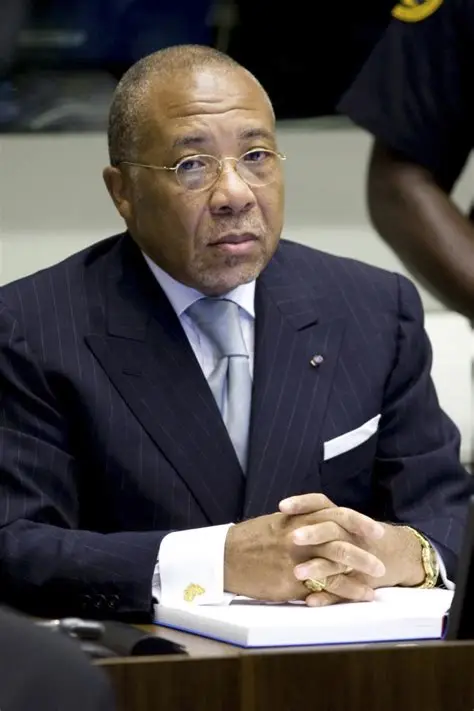
Charles McArthur Ghankay Taylor - Liberian historical leader

Charles McArthur Ghankay Taylor

1997–2003

22nd President of Liberia; Rebel Leader; Politician; Leader of the National Patriotic Front of Liberia

Charles McArthur Ghankay Taylor was the twenty-second President of Liberia, serving from 1997 to 2003. He became one of the most influential and controversial figures in Liberia's modern history. Taylor emerged as a major rebel leader during the First Liberian Civil War and later won the 1997 presidential election after the conflict. His presidency was marked by continued armed conflict, political instability, and regional tensions. In 2003, facing a renewed rebellion and intense international pressure, he resigned and went into exile in Nigeria. He was later tried by the Special Court for Sierra Leone and convicted of war crimes and crimes against humanity committed in connection with the Sierra Leone conflict.

Read More →
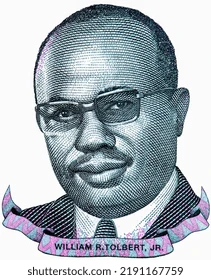
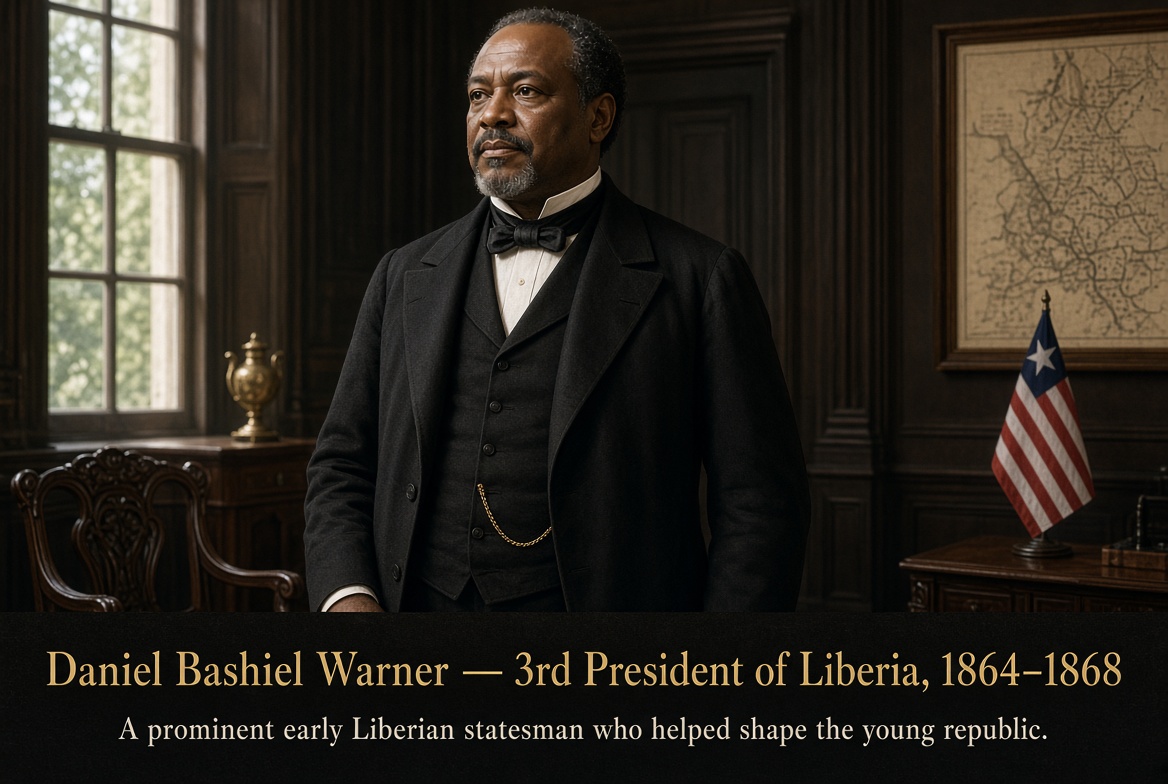
Daniel Bashiel Warner - Liberian historical leader

Daniel Bashiel Warner

1864–1868

President of Liberia; Former Vice President; Former Secretary of State; Legislator

Daniel Bashiel Warner was the third president of Liberia, serving from 1864 to 1868. Before becoming president, he served in Liberia's legislature, as secretary of state under President Joseph Jenkins Roberts, and as vice president under President Stephen Allen Benson. His presidency focused particularly on extending the influence of the Liberian government into the interior and developing relationships with Indigenous communities. In 1868, his government sent Benjamin J. K. Anderson on an important expedition to Musardu, which produced valuable information about the interior and resulted in a treaty with local authorities. Warner was also associated with the words of Liberia's national anthem, "All Hail, Liberia, Hail!"

Read More →
Daniel Edward Howard - Liberian historical leader

Daniel Edward Howard

1912–1920

16th President of Liberia; Secretary of the Treasury; Superintendent of Montserrado County; True Whig Party Official; Government Administrator; Politician

Daniel Edward Howard was the sixteenth President of Liberia, serving from 1912 to 1920. Born in Buchanan, Grand Bassa County, in 1861, he was educated at Liberia College and built his career through government service and the True Whig Party. Before becoming president, he served as private secretary to President Hilary Richard Wright Johnson, Superintendent of Montserrado County, and Secretary of the Treasury. His presidency was marked by serious financial difficulties, efforts to strengthen Liberia's administration, and the outbreak of the First World War. Liberia initially attempted to remain neutral, but tensions with Germany eventually led Howard's government to sever diplomatic relations and declare war on Germany in 1917.

Read More →
Edward James Roye - Liberian historical leader

Edward James Roye

1870–1871

5th President of Liberia; Chief Justice of Liberia; Speaker of the House of Representatives; Merchant; Politician

Edward James Roye was the fifth President of Liberia and the first president from the True Whig political tradition. Born in Newark, Ohio, in 1815, he emigrated to Liberia in 1846 and became a successful merchant before entering politics. He served as Speaker of the Liberian House of Representatives, Chief Justice of Liberia, and later president from 1870 until his removal from office in October 1871. His presidency was dominated by serious economic difficulties, political conflict, controversy surrounding a British loan, and a disputed struggle over the presidential term of office. His removal marked one of the most serious political crises in nineteenth-century Liberia. He died in mysterious circumstances in 1872.

Read More →
Edward Wilmot Blyden - Liberian historical leader

Edward Wilmot Blyden

1850–1912 (Public, intellectual, educational, diplomatic, and political career)

Intellectual; Educator; Diplomat; Statesman; Theologian; Writer; Journalist; Political Thinker; Early Pan-Africanist

Edward Wilmot Blyden was one of the most influential Liberian intellectuals and African thinkers of the nineteenth and early twentieth centuries. Born on August 3, 1832, in St. Thomas in the Danish West Indies, now the United States Virgin Islands, Blyden migrated to Liberia in 1850 and devoted much of his life to education, journalism, diplomacy, politics, theology, and the intellectual advancement of Africa. The Library of Congress describes him as a leading Liberian intellectual, journalist, scholar, diplomat, statesman, and theologian. He became particularly influential through his writings on African history, culture, religion, education, and the relationship between Africans and the wider Black world. Blyden served in several important Liberian government and educational positions, including Secretary of State, Minister of the Interior, Secretary of Education, professor at Liberia College, and later president of Liberia College. He also represented Liberia diplomatically and spent important periods of his later career in Sierra Leone and other parts of West Africa. His writings and public speeches helped develop ideas that later became important to Pan-African thought, particularly the belief that Africans should develop their societies according to their own historical and cultural experiences.

Read More →
Edwin James Barclay - Liberian historical leader

Edwin James Barclay

1930–1944

18th President of Liberia; Secretary of State; Diplomat; True Whig Party Leader; Composer

Edwin James Barclay was the eighteenth President of Liberia, serving from 1930 to 1944. He became president during a major political crisis following the resignation of Charles D. B. King over the international forced-labor scandal. Barclay's presidency focused heavily on restoring Liberia's international reputation, strengthening relations with the United States, and addressing the country's financial difficulties. His administration also played an important role in Liberia's decision to support the Allies during the Second World War. Barclay was one of the most influential Liberian presidents of the first half of the twentieth century.

Read More →
Ellen Johnson Sirleaf - Liberian historical leader

Ellen Johnson Sirleaf

2006–2018

24th President of Liberia; Economist; Minister of Finance; International Development Specialist; Nobel Peace Prize

Ellen Johnson Sirleaf was the twenty-fourth President of Liberia and the first woman elected as head of state in Africa. She served from 2006 to 2018, leading Liberia through its post-civil-war reconstruction and democratic transition. A former economist, development specialist, and international civil servant, Sirleaf focused on rebuilding Liberia's institutions, attracting foreign investment, improving infrastructure, strengthening education and healthcare, and restoring Liberia's international reputation. In 2011, she was awarded the Nobel Peace Prize jointly with Leymah Gbowee and Tawakkol Karman for their nonviolent struggle for the safety of women and women's participation in peacebuilding.

Read More →
Fayanga Adama Konneh ( - Liberian historical leader

Fayanga Adama Konneh (

Aspiring Lawyer

Fayanga Adama Konneh is an emerging Liberian scholar and aspiring legal professional from Tubmanburg, Bomi County, Liberia. Born on January 13, 2006, he grew up in Vai Town #3, Tubmanburg, where he was raised by his parents alongside his siblings. From an early age, Fayanga developed a strong interest in helping others and pursuing a career dedicated to justice and education. He describes himself as passionate about assisting people in need and has maintained an ambition to become a lawyer and eventually a professor in the field of criminal justice.

Read More →
Garretson Wilmot Gibson - Liberian historical leader

Garretson Wilmot Gibson

1900–1904

14th President of Liberia; Secretary of State; Secretary of the Interior; Episcopal Priest; Educator; President of Liberia College; Politician

Garretson Wilmot Gibson was the fourteenth President of Liberia, serving from December 11, 1900, to January 4, 1904. Born in Maryland in 1832, he emigrated to Liberia with his family as a child and was educated in mission schools. He later studied theology in the United States and became an Episcopal priest, educator, and prominent public official. Before becoming president, Gibson served as Secretary of the Interior and Secretary of State and became president after William David Coleman resigned. His administration dealt with Liberia's financial difficulties, territorial disputes, relations with European powers, and efforts to strengthen government administration. He was also involved in higher education and served as president of Liberia College.

Read More →
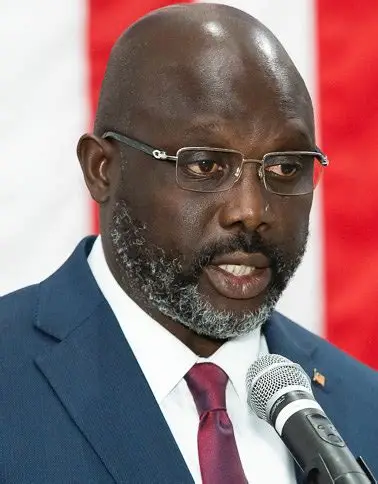
George Weah - Liberian historical leader

George Weah

2018–2024

25th President of Liberia; Senator; Professional Footballer; Ballon d'Or Winner

George Weah was the twenty-fifth President of Liberia, serving from 2018 to 2024. Before entering politics, he became one of the world's most famous football players and remains the only African player to have won the FIFA World Player of the Year award and the Ballon d'Or. After retiring from football, Weah entered Liberian politics and served as a senator for Montserrado County before winning the presidency in 2017. His administration focused on education, infrastructure, poverty reduction, road construction, and youth development, while also facing serious economic challenges, inflation, corruption concerns, and political criticism.

Read More →
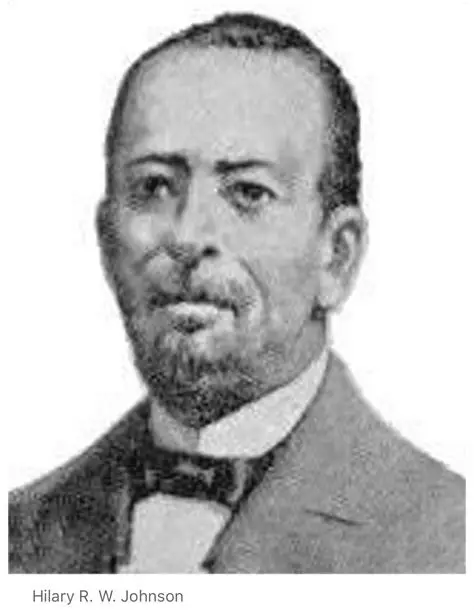
Hilary Richard Wright Johnson - Liberian historical leader

Hilary Richard Wright Johnson

1884–1892

11th President of Liberia; Secretary of State; Secretary of the Interior; Educator; Professor; Journalist; Politician

Hilary Richard Wright Johnson was the eleventh President of Liberia, serving from 1884 to 1892. Born in Monrovia in 1837, he was the first president of Liberia born on Liberian soil. Before becoming president, Johnson built a long career in education, journalism, and government, serving in important positions including Secretary of State and Secretary of the Interior. His presidency took place during the Scramble for Africa, when Liberia faced increasing pressure from Britain and France over its territorial claims. His administration witnessed the loss of the Gallinas territory to British-controlled Sierra Leone and continued disputes over Liberia's eastern and southeastern borders.

Read More →
James Skivring Smith - Liberian historical leader

James Skivring Smith

1871–1872

6th President of Liberia; Physician; Methodist Minister; Politician

James Skivring Smith was the sixth President of Liberia, serving from 1871 to 1872 after the removal of President Edward James Roye. He was a physician, Methodist minister, politician, and public servant who became one of the earliest Liberian leaders to combine medical training with national political leadership. His presidency was brief and largely transitional, taking place during one of the most serious political crises of Liberia's nineteenth century. Before becoming president, Smith served in the Liberian legislature and held important public and religious positions. After leaving the presidency, he continued his medical and political work and remained an influential figure in Liberian public life.

Read More →
James Spriggs Payne - Liberian historical leader

James Spriggs Payne

1868–1870

4th President of Liberia; Methodist Minister; Educator; Politician; Writer

James Spriggs Payne was the fourth President of Liberia, serving from 1868 to 1870. A Methodist minister, educator, writer, and politician, Payne became president during a difficult period in Liberia's early republican history. His administration faced serious financial difficulties and challenges involving the expansion and consolidation of government authority. He later returned to the presidency for a second term from 1876 to 1878.

Read More →
Joseph James Cheeseman - Liberian historical leader

Joseph James Cheeseman

1892–1896

12th President of Liberia; Baptist Minister; Educator; Teacher; Merchant; Politician

Joseph James Cheeseman was the twelfth President of Liberia, serving from 1892 until his death in 1896. Born in Edina, Grand Bassa County, in 1843, he was a teacher, Baptist minister, merchant, educator, and politician before becoming president. Cheeseman was educated at Liberia College and became an important religious and community leader in Grand Bassa County. He was elected president three times on the True Whig ticket. His administration faced economic difficulties, territorial pressure from European colonial powers, and conflicts involving communities in southeastern Liberia. Cheeseman became the first Liberian president to die while still in office.

Read More →
Joseph Jenkins Roberts - Liberian historical leader

Joseph Jenkins Roberts

1848–1856; 1872–1876

President / Founding Leader

Joseph Jenkins Roberts was Liberia's first president and one of the central figures in the country's transition from a colony to an independent republic. He previously served as governor of the Commonwealth of Liberia and played a major role in Liberia's independence.

Read More →
Joseph Nyuma Boakai - Liberian historical leader

Joseph Nyuma Boakai

2024–Present

26th President of Liberia; Former Vice President; Former Minister of Agriculture; Politician; Agricultural

Joseph Nyuma Boakai is the twenty-sixth President of Liberia, serving since January 2024. Before becoming president, he served as Vice President under Ellen Johnson Sirleaf from 2006 to 2018 and spent decades working in Liberia's agricultural and public sectors. Boakai defeated George Weah in the 2023 presidential runoff election and returned to national leadership after previously losing the 2017 presidential election. His administration has emphasized governance reform, infrastructure development, agriculture, economic recovery, and the fight against corruption.

Read More →
Lott Cary - Liberian historical leader

Lott Cary

1821–1828

Early Liberian Leader; Baptist Minister; Missionary; Educator; Administrator; Community Leader

Lott Cary was a formerly enslaved African American Baptist minister, missionary, educator, and early Liberian leader who became one of the most important figures in Liberia’s earliest settlement period. After purchasing his freedom in Virginia, Cary emigrated to West Africa in 1821 and became deeply involved in the establishment and defense of the developing Liberian colony. He helped organize religious and educational institutions, participated in the administration and economic development of the settlement, served twice as vice agent of Liberia, and assumed leadership of Monrovia and its surrounding settlements in 1828. He died later that year following an accidental gunpowder explosion.

Read More →
Moses Zeh Blah - Liberian historical leader

Moses Zeh Blah

2003

23rd President of Liberia; Vice President; Diplomat; Ambassador

Moses Zeh Blah was the twenty-third President of Liberia and served as head of state from August to October 2003. He became president after Charles Taylor resigned amid the Second Liberian Civil War and intense international pressure. Blah's short administration focused primarily on supporting the peace process that was leading to the end of the civil war. He transferred power to the Liberian National Transitional Government in October 2003, helping clear the way for the country's transition toward democratic elections.

Read More →
Samuel Kanyon Doe - Liberian historical leader

Samuel Kanyon Doe

1980–1990

21st Leader of Liberia; President; Chairman of the People's Redemption Council; Military Officer

Samuel Kanyon Doe was the twenty-first leader of Liberia and the first Indigenous Liberian to become head of state in the modern republic. He came to power through the April 12, 1980 military coup that overthrew President William R. Tolbert Jr. and ended more than a century of Americo-Liberian political dominance. Doe initially governed through the People's Redemption Council and later became president in 1986. His government introduced major political changes and strengthened Liberia's military ties with the United States, but it was also marked by authoritarian rule, political repression, ethnic tensions, and economic difficulties. His government was overthrown during the First Liberian Civil War, and Doe was killed in September 1990.

Read More →
Stephen Allen Benson - Liberian historical leader

Stephen Allen Benson

1856–1864

President

Stephen Allen Benson was Liberia's second president. He succeeded Joseph Jenkins Roberts and helped consolidate Liberia's young republican government during the country's early years of independence.

Read More →
William David Coleman - Liberian historical leader

William David Coleman

1896–1900

13th President of Liberia; Vice President of Liberia; Senator; Speaker of the House of Representatives; Representative; Merchant; Farmer; Carpenter; Politician

William David Coleman was the thirteenth President of Liberia, serving from 1896 to 1900. Born in Fayette County, Kentucky, in 1842, he emigrated to Liberia with his family in 1853 and settled in Clay-Ashland, Montserrado County. Despite having to leave school during his youth because of poverty, Coleman continued his education independently while working as a carpenter, farmer, and merchant. He entered politics in 1877, serving in the House of Representatives, becoming Speaker, and later serving as a senator. He became Vice President under Joseph James Cheeseman in 1892 and succeeded to the presidency following Cheeseman's death in 1896. His administration emphasized education, government finances, and extending central government authority into the interior. He resigned the presidency in December 1900 after political disagreements over his policies.

Read More →
William Richard Tolbert Jr. - Liberian historical leader

William Richard Tolbert Jr.

1971–1980

20th President of Liberia; Vice President; Baptist Minister; Politician; Statesman

William Richard Tolbert Jr. was the twentieth President of Liberia, serving from 1971 until his death in 1980. He succeeded William V. S. Tubman after serving for nearly twenty years as vice president. Tolbert initially continued many of Tubman's economic and foreign policies but later introduced reforms aimed at reducing political inequality, strengthening African diplomatic relations, and promoting greater economic participation by Indigenous Liberians. His administration faced growing economic difficulties, political opposition, and social unrest. His presidency ended abruptly during the April 12, 1980, coup, when he was killed and the True Whig Party's long period of political dominance came to an end.

Read More →
William Vacanarat Shadrach Tubman - Liberian historical leader

William Vacanarat Shadrach Tubman

1944–1971

19th President of Liberia; Senator; Lawyer; True Whig Party Leader; Statesman

William Vacanarat Shadrach Tubman was the nineteenth President of Liberia and the country's longest-serving president, holding office from 1944 until his death in 1971. Born in Harper, Maryland County, Tubman came from a prominent Liberian family and trained as a lawyer before entering politics. His administration promoted economic development, foreign investment, infrastructure, education, and the integration of Indigenous Liberians into national political life. His presidency also introduced the Open-Door economic policy and the Unification Policy, which sought to reduce divisions between Americo-Liberians and Indigenous Liberians. Despite these achievements, his long rule was also marked by political restrictions and the continued dominance of the True Whig Party.

Read More →