Leadership
1821–1828
Era
Early 19th Century
Born
February 1780
Died
1828
Birthplace
Charles City County, Virginia, United States
Country
Liberia
Role
Early Liberian Leader; Baptist Minister; Missionary; Educator; Administrator; Community Leader
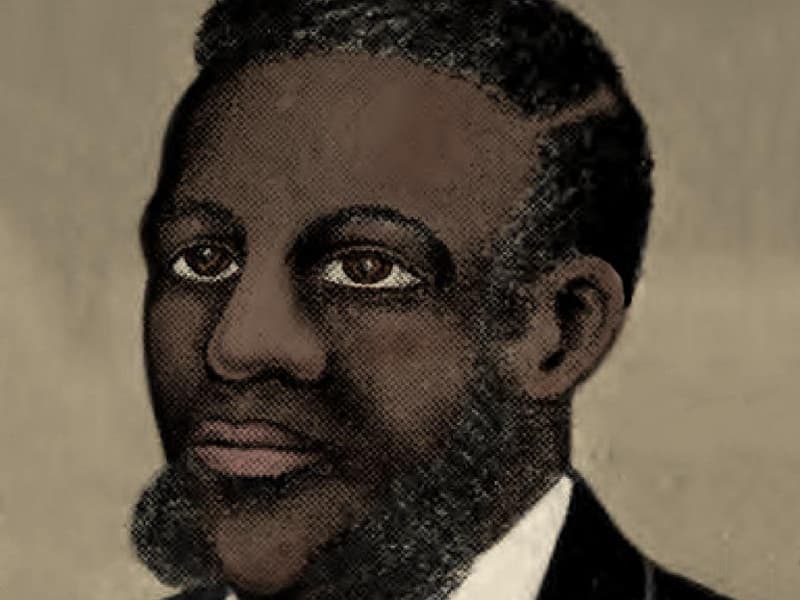
Lott Cary
Lott Cary was a formerly enslaved African American Baptist minister, missionary, educator, and early Liberian leader who became one of the most important figures in Liberia’s earliest settlement period. After purchasing his freedom in Virginia, Cary emigrated to West Africa in 1821 and became deeply involved in the establishment and defense of the developing Liberian colony. He helped organize religious and educational institutions, participated in the administration and economic development of the settlement, served twice as vice agent of Liberia, and assumed leadership of Monrovia and its surrounding settlements in 1828. He died later that year following an accidental gunpowder explosion.
Early Life and Enslavement
Lott Cary was born into slavery in Virginia around 1780. The exact date of his birth is not known, and historical evidence about his parents and earliest childhood is limited. Modern biographical research places his probable birthplace in Charles City County, Virginia.
As a young man, Cary was hired out to work in Richmond's tobacco warehouses. This arrangement gave him an unusual opportunity to earn and save money. He also became increasingly interested in education and religion. The National Park Service records that his early education included learning to read the Bible and later attending a small school where he studied reading, writing, and arithmetic.
Religious Development and Education
Around 1807, Cary became a member of First Baptist Church in Richmond. His religious development became an important part of his later public life.
Although he had begun life with very limited formal education, he became a respected preacher and developed a reputation for intelligence, determination, and leadership. He also demonstrated considerable business ability while working in Richmond.
In 1815, Cary helped establish the Richmond African Baptist Missionary Society. The organization reflected his growing interest in spreading Christianity through missionary work in Africa.
Purchasing His Freedom
One of the most significant events in Cary's early life was his purchase of freedom.
Through his work and business activities, Cary accumulated money that enabled him to purchase his own freedom and the freedom of his children. By about 1813, he had reportedly paid approximately $850 for their freedom.
This achievement was exceptional because enslaved people in the United States generally had very limited opportunities to accumulate property or legally secure their freedom. Cary subsequently acquired land in Virginia and continued developing his religious and community leadership.
Decision to Go to Liberia
Cary became increasingly interested in missionary work in Africa. When plans developed for the settlement of free African Americans in West Africa through the American Colonization Society, he decided to emigrate.
He left the United States aboard the Nautilus on January 23, 1821. After reaching Sierra Leone, he and other settlers eventually moved toward the area that became the Liberian colony.
Arrival in Liberia
Cary arrived during one of the most difficult periods of Liberia's early history.
The settlement was facing disease, shortages, political disagreements, and conflicts with neighboring African communities. Cary became one of the leading Black settlers involved in organizing the community.
He and other Baptists established what became Providence Baptist Church. His activities were not limited to religion. He participated in the practical work of building the settlement and helping it survive.
Leadership in the Early Colony
Cary became an important administrator and community leader.
He helped care for people suffering from disease, organized labor, participated in economic ventures, and assisted in the expansion and development of the settlement. He was also involved in efforts to improve the harbor and strengthen Monrovia's economic position.
In 1826, the settlers elected Cary vice agent of Liberia, and they elected him to the same position again in 1827. He also became president of the Monrovia Baptist Missionary Society and was associated with educational work in the colony.
Relationship with Jehudi Ashmun
Cary's relationship with colonial agent Jehudi Ashmun was important to the early development of Liberia.
Cary and other settlers challenged some of Ashmun's policies, particularly policies concerning provisions and administration. Their disagreement demonstrated that Black settlers were not simply passive participants in the colonial project; they actively debated how the settlement should be governed.
Despite their disagreements, Cary and Ashmun later worked together on matters involving the defense and development of the colony.
Leadership of Monrovia
In 1828, Ashmun became seriously ill and left Liberia for the United States.
Cary then assumed effective leadership of Monrovia and its surrounding settlements. The National Park Service describes him as becoming acting governor of Liberia in August 1828. Other historical accounts describe him as assuming leadership of Monrovia and its outposts during Ashmun's absence.
This made Cary one of the most important Black leaders in Liberia immediately before the colony entered another difficult period of development.
Death
Cary died in Monrovia in November 1828.
While preparing ammunition for the defense of the settlement, an accidental gunpowder explosion severely injured him. He died two days later, on November 10, 1828, according to the detailed biographical record maintained by Encyclopedia Virginia.
Historical Legacy
Lott Cary's importance to Liberian history comes from the combination of his religious leadership, migration to Liberia, administrative service, educational work, and participation in the development of the early settlement.
He was one of the earliest Black American leaders to establish himself in the developing Liberian colony and became an important figure in its political and religious institutions. His name was later preserved in Careysburg, Montserrado County, which was named in his honor.
His life also illustrates the complicated history surrounding Liberia's creation. Cary participated in the settlement project while also challenging aspects of the American Colonization Society's administration. His historical significance therefore extends beyond his role as a missionary: he was an early African American settler who became an administrator, community organizer, educator, and political leader in the emerging Liberian state.