Leadership
2003
Era
Early 21st Century / Second Liberian Civil War and Transitional Period
Born
April 1947
Died
2013
Birthplace
Toweh Town, Nimba County, Liberia
Country
Liberia
Role
23rd President of Liberia; Vice President; Diplomat; Ambassador
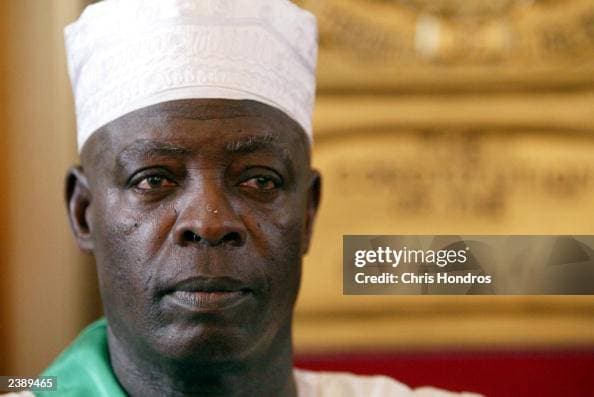
Moses Zeh Blah
Moses Zeh Blah was the twenty-third President of Liberia and served as head of state from August to October 2003. He became president after Charles Taylor resigned amid the Second Liberian Civil War and intense international pressure. Blah's short administration focused primarily on supporting the peace process that was leading to the end of the civil war. He transferred power to the Liberian National Transitional Government in October 2003, helping clear the way for the country's transition toward democratic elections.
Early Life and Family Background
Moses Zeh Blah was born on April 18, 1947, in Toweh Town, Nimba County, Liberia.
He came from the Gio ethnic group of northeastern Liberia, an area that was heavily affected by political conflict and the civil wars of the late twentieth century.
Education
Blah received his early education in Liberia before pursuing further studies abroad.
He developed a career connected to international service and diplomacy before entering senior Liberian political life.
Diplomatic Career
Before becoming president, Blah worked for the Liberian government as a diplomat.
He served as Liberia's ambassador to Libya, where he developed experience in international relations.
His diplomatic career placed him within Liberia's foreign service during a period of significant regional instability.
Entry Into the Taylor Government
Blah became associated with Charles Taylor's National Patriotic Party and entered the national government.
He was selected as Taylor's running mate during the 1997 presidential election.
Taylor and Blah won the election, and Blah became Vice President of Liberia.
He served as vice president throughout Taylor's presidency.
The Second Liberian Civil War
During Blah's vice presidency, Liberia entered another major period of armed conflict.
In 1999, the Liberians United for Reconciliation and Democracy (LURD) launched a rebellion against Taylor's government.
The Movement for Democracy in Liberia (MODEL) later emerged in southeastern Liberia.
By 2003, rebel forces controlled significant portions of the country and were threatening Monrovia.
The conflict produced a severe humanitarian and political crisis.
Taylor's Resignation
International pressure on Charles Taylor increased dramatically during 2003.
Regional governments, the United States, and other international actors pushed for Taylor to leave office as part of efforts to end the war.
Taylor resigned on August 11, 2003, and went into exile in Nigeria.
As vice president, Moses Zeh Blah constitutionally succeeded him.
Presidency
Moses Zeh Blah became President of Liberia on August 11, 2003.
His presidency lasted only about two months.
Unlike previous Liberian presidents, Blah did not attempt to establish a long-term political program. His administration's principal purpose was to maintain the transition toward a negotiated peace.
Peace Process
Blah took office while Liberia's civil war was still underway.
Peace negotiations were taking place in Accra, Ghana, involving the Liberian government, rebel movements, political parties, civil society groups, and regional governments.
The negotiations produced the Comprehensive Peace Agreement, signed in August 2003.
The agreement created a framework for ending the war and establishing a transitional government.
Blah's administration cooperated with the peace process and helped prepare for the transfer of power.
International and Regional Relations
Because Liberia's political crisis had become a major regional issue, Blah worked closely with neighboring West African governments and regional institutions.
The Economic Community of West African States (ECOWAS) played an important role in the peace process.
The regional peacekeeping force ECOMOG had already intervened in Liberia during earlier stages of the country's civil wars.
The international community continued to support efforts to stabilize Liberia and prevent further fighting.
End of the Presidency
The Comprehensive Peace Agreement provided for the establishment of a transitional government.
On October 14, 2003, Moses Zeh Blah transferred presidential authority to Gyude Bryant, who became chairman of the National Transitional Government of Liberia (NTGL).
Blah's presidency therefore came to an end after only 64 days.
His peaceful transfer of power was an important step in Liberia's transition away from civil war.
Later Life
After leaving the presidency, Blah largely withdrew from active national politics.
He remained a respected former government official and was occasionally involved in public discussions concerning Liberia's political development.
Death
Moses Zeh Blah died on April 1, 2013, in Monrovia, Liberia, at the age of 65.
Historical Legacy
Moses Zeh Blah's presidency was brief, but it occurred during one of the most critical moments in modern Liberian history.
He became president during the final stage of the Second Liberian Civil War, after Charles Taylor's resignation and departure into exile.
Rather than attempting to extend his own political power, Blah's administration worked within the peace process that led to the establishment of the National Transitional Government.
His transfer of power to Gyude Bryant in October 2003 helped maintain the transition outlined in the Comprehensive Peace Agreement.
Blah is therefore remembered primarily for his role as a transitional leader during the final stage of Liberia's civil wars and the beginning of the country's return to democratic government.
Birth Date: April 18, 1947
Death Date: April 1, 2013
Birthplace: Toweh Town, Nimba County, Liberia
County: Nimba County
Role: 23rd President of Liberia; Vice President; Diplomat; Ambassador
Era: Early 21st Century / Second Liberian Civil War and Transitional Period