History of Liberia
Explore the people, events, struggles, achievements, and turning points that shaped Liberia from its earliest societies to the modern republic.
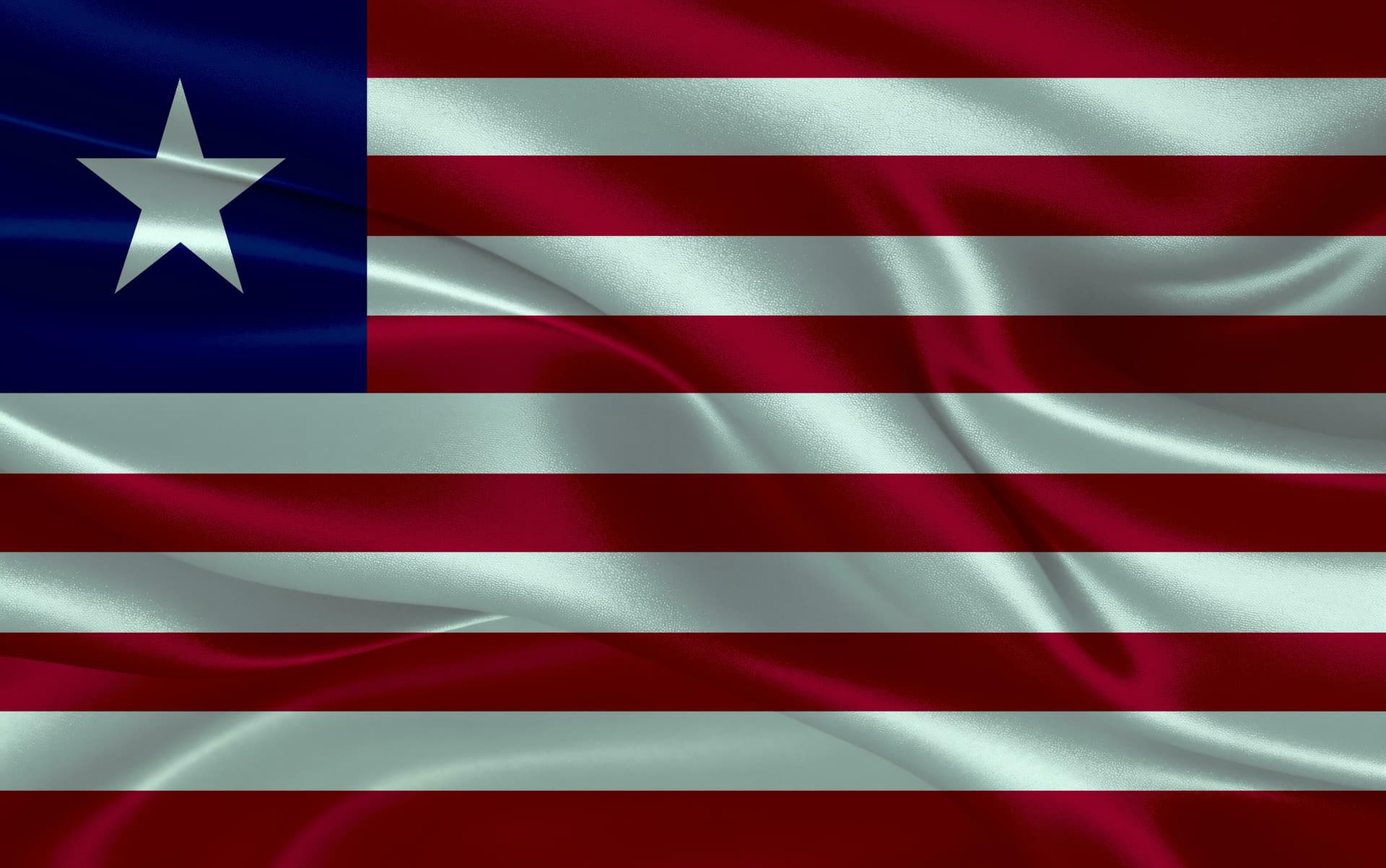
Understanding Liberia's History
Liberia's history is much older than the founding of the modern republic. For centuries, the region was home to diverse African societies with their own languages, political institutions, cultures, economies, and traditions.
Liberia's modern political history began in the nineteenth century with the settlement of free Black Americans and formerly enslaved people from the United States and the development of coastal settlements. These settlements eventually became the Commonwealth of Liberia and, in 1847, the independent Republic of Liberia.
Since independence, Liberia has experienced periods of political stability, economic growth, political exclusion, military rule, civil war, peacebuilding, democratic transitions, and national reconstruction.
Liberia Historical Timeline
Before the 1800s
Indigenous Liberia
Long before the creation of the Liberian Republic, the region was home to numerous African societies and communities with their own political systems, languages, cultures, trade networks, and traditions. Major communities included the Kpelle, Bassa, Kru, Grebo, Gio, Mano, Vai, Gola, Lorma, Kissi, Gbandi, and many others.
15th–18th Centuries
European Contact and Coastal Trade
European traders and explorers established contact with communities along the West African coast. The region became associated with the name Grain Coast because of its trade in grains of paradise and other products. Coastal communities participated in wider regional and Atlantic trading networks.
1816
American Colonization Society Founded
The American Colonization Society was established in the United States. It promoted the resettlement of free Black Americans and formerly enslaved people in Africa. This movement eventually led to the establishment of settlements on the West African coast that became Liberia.
1822
Settlement at Cape Mesurado
In 1822, settlers associated with the American Colonization Society established a permanent settlement at Cape Mesurado. The settlement became the foundation of what developed into the Commonwealth of Liberia and later the Republic of Liberia.
1839
Commonwealth of Liberia
Several settlements along the coast became increasingly organized under a common political structure. In 1839, the Commonwealth of Liberia adopted a constitution and strengthened its central administration, moving the settlements closer toward self-government.
1847
Liberia Declares Independence
On July 26, 1847, Liberia declared independence and established itself as a sovereign republic. Joseph Jenkins Roberts became the country's first president. The Constitution created a government modeled in important ways on the political system of the United States.
1848–1862
The New Republic Gains Recognition
Liberia began building diplomatic and commercial relationships with other countries. Britain recognized the new republic in 1848, while the United States formally recognized Liberia in 1862. Liberia worked to defend its sovereignty and expand its international relationships.
Late 1800s
Expansion and Nation Building
During the late nineteenth century, Liberia expanded its administration beyond the coastal settlements. The government developed relationships, sometimes peaceful and sometimes conflictual, with numerous indigenous communities as it extended state authority into the interior.
1878
True Whig Party Era Begins
The True Whig Party came to power in 1878 and eventually became the dominant political force in Liberia. Its influence continued for more than a century, shaping Liberia's political institutions and relationship between the settler elite and the country's indigenous majority.
1926
Firestone and the Rubber Industry
The Firestone Tire and Rubber Company established a major rubber operation in Liberia in 1926. Rubber became one of Liberia's most important exports and transformed parts of the country's economy, labor system, transportation network, and international commercial relationships.
1944–1971
William V. S. Tubman Era
William V. S. Tubman became president in 1944 and served until his death in 1971. His government promoted foreign investment, infrastructure development, and the Open Door Policy while also pursuing the Unification Policy, which sought greater political integration between indigenous Liberians and the Americo-Liberian establishment.
1971–1980
William R. Tolbert Era
William R. Tolbert Jr. succeeded Tubman in 1971. His administration introduced political and economic reforms, but Liberia faced growing economic difficulties and social tensions. The 1979 rice protests became an important turning point in the country's political history.
1980
The April 12 Coup
On April 12, 1980, Master Sergeant Samuel Kanyon Doe led a military coup that overthrew President William R. Tolbert Jr. The coup ended the political order that had dominated Liberia since independence and marked the beginning of a new period of military and authoritarian rule.
1986
The Second Republic
A new constitution came into force in 1986, establishing Liberia's Second Republic. Samuel K. Doe remained head of state. Political tensions and ethnic divisions continued to affect the country during this period.
1989
First Liberian Civil War Begins
In December 1989, Charles Taylor's rebellion against the Doe government developed into a major civil conflict. Fighting spread across Liberia, causing enormous disruption, displacement, and loss of life.
1990
Death of Samuel Doe
Samuel K. Doe was captured and killed in 1990 as the civil war intensified. Regional peacekeeping efforts through ECOWAS also became increasingly important in attempts to restore stability to Liberia.
1997
Charles Taylor Elected President
Following years of conflict and negotiations, Liberia held elections in 1997. Charles Taylor was elected president. Although the election brought a period of relative calm, armed conflict returned several years later.
2000–2003
Second Liberian Civil War
A new rebellion developed against Taylor's government in the early 2000s. Fighting intensified and eventually reached Monrovia. International and regional pressure contributed to Taylor's departure from office in 2003.
2003
Peace Agreement and Transitional Government
The 2003 peace process created a transitional political arrangement intended to move Liberia away from war and toward democratic elections. International peacekeepers also played a major role in maintaining security during the transition.
2005–2006
Ellen Johnson Sirleaf Elected
Liberia held historic presidential elections in 2005. Ellen Johnson Sirleaf won the election and took office in January 2006, becoming Africa's first elected female head of state. Her administration focused on rebuilding institutions, infrastructure, and Liberia's international relationships.
2014–2016
The Ebola Crisis
Liberia was one of the countries most seriously affected by the West African Ebola epidemic. The outbreak placed enormous pressure on Liberia's health system and economy, while communities, health workers, international organizations, and government agencies worked to control the disease.
2018
Peaceful Democratic Transfer of Power
George Manneh Weah became president in January 2018 after winning the 2017 election. His inauguration represented an important peaceful transfer of presidential power and marked the first transition between two democratically elected presidents in Liberia in decades.
2024
Joseph Boakai Becomes President
Joseph Nyuma Boakai was inaugurated as Liberia's 26th president on January 22, 2024, succeeding George Weah. His administration began with a focus on governance, economic development, infrastructure, and improving public services.
Today
Liberia's Continuing Story
Liberia continues to build on its long history. Its story includes indigenous civilizations, migration, independence, political transformation, economic development, conflict, peacebuilding, democratic transitions, and cultural resilience. Understanding this history helps explain Liberia's identity and its place in Africa and the world.
Explore Liberia's History in Greater Detail
The timeline gives you the major turning points. Explore individual historical topics and discover the people, places, events, and stories behind them.
Key Historical Facts
1822
Permanent settlement established at Cape Mesurado.
July 26, 1847
Liberia declared independence.
1980
A military coup overthrew President William R. Tolbert Jr.
1989–2003
Liberia experienced prolonged civil conflict.
2006
Ellen Johnson Sirleaf became president.
2018
George Weah took office after a peaceful democratic transfer of power.
2024
Joseph Boakai became Liberia's 26th president.
Today
Liberia continues to preserve its history while building its future.