River Gee County
River Gee County is located in southeastern Liberia and is known for its forests, rivers, agricultural communities, cultural heritage, and important cross-border connections with Côte d'Ivoire. The county was created from Grand Gedeh County in May 2000 and has Fish Town as its capital. The Cavalla River forms an important part of the county's eastern boundary with Côte d'Ivoire.
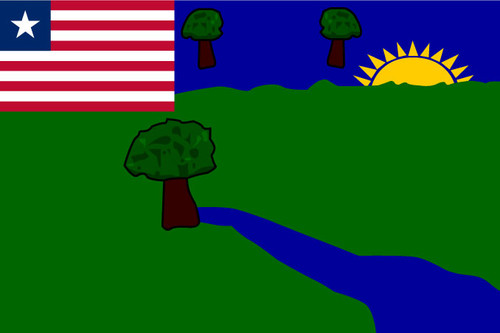
Quick Facts
- Capital: Fish Town
- Region: Southeastern Liberia
- Established as a county: May 2000
- Population: 124,653 (2022 Census)
- Major waterway: Cavalla River
- Known for: Forests, agriculture, rivers, cultural heritage, and biodiversity
- Eastern border: Côte d'Ivoire
- County Status: One of Liberia's 15 counties
Geography and Location
River Gee County lies in southeastern Liberia. Its landscape includes tropical forests, agricultural areas, rivers, streams, wetlands, and rural settlements.
The county's eastern side is closely associated with the Cavalla River, which forms part of Liberia's international boundary with Côte d'Ivoire. The river is therefore important to the county's geography as well as its environmental and cross-border connections.
River Gee's location places it within Liberia's southeastern region, where communities are connected through agriculture, trade, cultural relationships, transportation, and cross-border movement.
History
Before River Gee became a county, the area formed part of Grand Gedeh County. The region was home to indigenous communities with established systems of leadership, agriculture, trade, culture, and community organization.
River Gee became a separate county in May 2000 after being separated from Grand Gedeh County. The process received approval from the House of Representatives in May 1997 and Senate approval in March 2000.
The creation of River Gee was part of Liberia's continuing development of local administrative structures and reflected efforts to bring government institutions and public services closer to communities in southeastern Liberia.
Since becoming a county, River Gee has developed its own administrative, political, economic, and cultural identity, with Fish Town serving as its capital.
Mining and Mineral Economy
River Gee's economy has historically been more closely associated with agriculture, forestry, trade, and rural livelihoods than with large-scale industrial mining.
The county's natural environment contains forest resources and other natural assets that contribute to local livelihoods. Responsible management of these resources is important for ensuring that economic activity does not undermine forests, waterways, and community livelihoods.
Future economic opportunities can include agricultural processing, sustainable forestry, small businesses, and other resource-based activities that create local employment while protecting the environment.
Agriculture and Economy
Agriculture is one of the most important economic activities in River Gee County. Many rural households depend on farming for food, household income, and local trade.
Important food crops include rice, cassava, plantains, vegetables, and other crops suited to the county's tropical environment. Tree crops and other agricultural activities also contribute to household livelihoods.
Agricultural development is particularly important because much of River Gee's population lives in rural communities. Better farm-to-market roads, agricultural equipment, processing facilities, farmer training, and access to markets can help increase the economic benefits of farming.
Small-scale trade, natural-resource activities, and cross-border commerce also contribute to the county's economy.
People, Ethnic Groups and Languages
River Gee is home to several ethnic communities, particularly the Grebo and Krahn peoples. These communities have distinctive histories, languages, customs, social institutions, artistic traditions, and forms of community organization.
People from other parts of Liberia have also settled in River Gee over time because of farming, trade, employment, education, marriage, and other forms of migration.
Local Liberian languages remain important in everyday community life. English is Liberia's official language and is used in government, formal education, and official communication, while Liberian English varieties are widely used in everyday interaction.
Languages
English, Liberian English, Grebo, Krahn, and other Liberian languages spoken among communities throughout the county.
Natural Resources
River Gee contains important tropical forest ecosystems that provide food, traditional medicines, building materials, and other resources used by surrounding communities.
The county forms part of the wider Grebo-Krahn forest landscape, an important area for biodiversity conservation in southeastern Liberia. The protected forest ecosystem extends across River Gee and Grand Gedeh counties.
The Cavalla River and other waterways are also important natural resources. They support aquatic ecosystems, agriculture, local communities, and the broader environmental system of southeastern Liberia.
Forest conservation and community-based natural-resource management are important for protecting biodiversity while allowing communities to benefit sustainably from their environment.
Education
Education is an important part of River Gee's long-term development. Schools and training opportunities provide young people with skills needed for agriculture, business, public service, healthcare, and other professions.
Continued investment in schools, teachers, learning materials, vocational training, and access to education is important for improving opportunities for young people throughout the county.
Culture and Traditions
River Gee has a rich cultural heritage expressed through traditional ceremonies, music, dance, storytelling, community gatherings, traditional leadership, farming practices, and respect for elders.
Grebo and Krahn cultural traditions have contributed strongly to the identity of the county. Traditional knowledge is passed between generations through families and communities.
Contemporary cultural life has also been influenced by Christianity, Islam, formal education, migration, and increasing connections with other parts of Liberia and neighboring countries.
Important Places
- Fish Town
- Cavalla River
- Grebo-Krahn forest landscape
- Grebo-Krahn National Park
- Forest communities
- Agricultural communities
- Southeastern transportation routes
- Rural communities throughout River Gee
Civil War History
The communities that now make up River Gee experienced the effects of Liberia's civil wars, including insecurity, displacement, disruption of agriculture, and damage to social and economic infrastructure.
The county's location in southeastern Liberia and its proximity to Côte d'Ivoire made the region strategically significant during periods of conflict.
The wars disrupted schools, healthcare, transportation, markets, agriculture, and local institutions. After the conflicts, communities faced the challenge of rebuilding essential services, restoring livelihoods, and strengthening local institutions.
Development and Present-Day Importance
Transportation remains an important development issue in River Gee because many communities are separated by large distances and poor road conditions can limit access to markets and public services.
Better roads can help farmers transport crops, connect rural communities with Fish Town, and improve access to schools, healthcare, markets, and government services.
River Gee has significant potential in agriculture, agro-processing, sustainable forestry, community-based tourism, small businesses, and cross-border commerce.
The county's forests, rivers, cultural traditions, and rural landscapes also create opportunities for responsible tourism and conservation-based economic activities.
Continued investment in education, healthcare, electricity, clean water, roads, agricultural productivity, communications, and market access remains important for improving living conditions throughout River Gee.
Historical Importance
River Gee is historically important because its story reflects the development of southeastern Liberia, the cultural heritage of Grebo and Krahn communities, and Liberia's changing system of local administration.
The county's creation in 2000 was an important event in Liberia's modern administrative history. Its separation from Grand Gedeh created a new county government structure centered in Fish Town.
River Gee is also important because of its relationship with the Cavalla River, southeastern Liberia's forests, and the country's connections with neighboring Côte d'Ivoire.
Its history demonstrates the importance of balancing local development, cultural heritage, natural-resource management, and environmental conservation.
Key Facts
- River Gee is one of Liberia's 15 counties.
- River Gee was created as a separate county in May 2000.
- Fish Town is the county capital.
- The 2022 Census recorded 124,653 residents.
- The county is located in southeastern Liberia.
- The Cavalla River forms part of the Liberia-Côte d'Ivoire border.
- Grebo and Krahn communities are prominent in the county.
- Agriculture is a major source of livelihood.
- River Gee contains important tropical forest ecosystems.
- The Grebo-Krahn forest landscape is important for biodiversity conservation.
- The county was affected by Liberia's civil wars.
- Roads, agricultural development, education, healthcare, and infrastructure remain important development priorities.