Nimba County
Discover the history, people, culture, natural resources, mining heritage, and communities of Nimba County, Liberia.
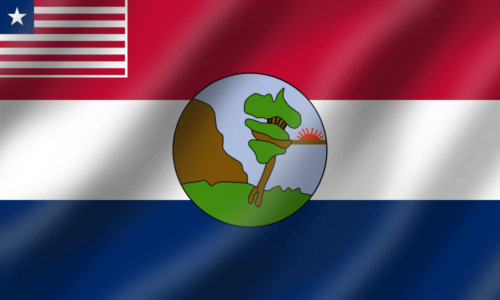
Quick Facts
- Capital: Sanniquellie
- Region: Northeastern Liberia
- 2022 Population: 621,841
- County established: 1964
- Major commercial center: Ganta
- Major mining town: Yekepa
- Famous landmark: Mount Nimba
- Major indigenous communities: Mano and Gio/Dan
- International borders: Guinea and Côte d'Ivoire
- Important, protected area: East Nimba Nature Reserve
- Major economic activities: Agriculture, commerce, mining, transportation, and cross-border trade
Overview
Nimba County is one of Liberia's largest counties and an important economic, agricultural, cultural, and environmental region. Located in northeastern Liberia, it shares international borders with Guinea and Côte d'Ivoire. Nimba is widely known for Mount Nimba, its iron-ore mining heritage, agricultural communities, major commercial centers such as Ganta, and its important role in Liberia's modern history.
Geography and Location
Nimba County is located in northeastern Liberia. It borders Bong County to the west, Grand Gedeh County to the southeast, River Gee County to the south, and Guinea and Côte d'Ivoire along its eastern and northeastern boundaries.
The county contains extensive highlands, forests, valleys, rivers, agricultural areas, and mountainous landscapes. Its geography has strongly influenced settlement, agriculture, transportation, mining, and trade.
The Nimba massif is one of the most prominent geographical features of the region. The mountain system extends across Liberia, Guinea, and Côte d'Ivoire and contains forests, grasslands, springs, and mountain habitats.
Creation and Early Administrative History
Nimba became a county in 1964 during the administration of President William V. S. Tubman. It was created as part of the government's effort to extend national administration and development more effectively into the interior.
The creation of Nimba, along with Bong, Lofa, and Grand Gedeh, was connected to Tubman's Unification Policy. The policy sought to bring indigenous communities and the Americo-Liberian political establishment more closely into the national political system.
The People of Nimba
Nimba is home to several major Liberian communities. The Mano and Gio, also known as Dan, are among the county's most prominent indigenous peoples.
Other ethnic communities also live throughout Nimba, particularly in major commercial towns and along transportation routes. Migration from other parts of Liberia and neighboring countries has contributed to the county's cultural diversity.
The county's cultural landscape can be seen in its languages, traditional institutions, ceremonies, food, music, dance, clothing, and community life.
Languages
English, Liberian English, Liberian Kreyol, Mano, Dan, and other Liberian languages
Mount Nimba
Mount Nimba is one of the most famous natural landmarks associated with Liberia. The Nimba massif stretches across the borders of Liberia, Guinea, and Côte d'Ivoire.
The massif rises dramatically above the surrounding landscape and contains forests, grasslands, mountain habitats, springs, and exceptional biodiversity. UNESCO describes the Mount Nimba ecosystem as an important refuge for rare and endemic species.
East Nimba Nature Reserve
Liberia's East Nimba Nature Reserve protects an important part of the Nimba mountain ecosystem. The reserve was established through an Act of Legislature in 2003.
The reserve is important for biodiversity, water resources, forests, wildlife, and local communities. UNESCO identifies the Liberian side of the Nimba ecosystem as an important component of the wider transboundary mountain environment.
Iron Ore Mining
Iron ore is one of the most important chapters in Nimba's modern economic history. Large deposits of high-grade iron ore were identified in the Nimba region during the twentieth century.
Mining operations around Yekepa transformed the region. Roads, railways, housing, electricity, schools, hospitals, and other infrastructure were developed to support the mining industry.
Yekepa Mining Town
Yekepa became the center of Liberia's major iron-ore operations in the Nimba region. The town developed around the mining industry and became an important industrial settlement.
Mining attracted workers and families from different parts of Liberia and contributed to the growth of nearby communities. The industry also created a major transportation network linking the mining area with Buchanan Port on Liberia's coast.
Mining and the Environment
Nimba's mineral wealth has also created important environmental questions. Mining, settlement, agriculture, and forest use have transformed parts of the mountain ecosystem.
Protecting the remaining forests and wildlife while allowing responsible economic development is an important challenge for Nimba. The ecological importance of the Nimba massif has made environmental protection a regional and international concern.
Ganta
Ganta is one of the most important commercial cities in Nimba County. Its location along major roads connecting central Liberia with Guinea and Côte d'Ivoire has made it a major transportation and trading center.
Markets in Ganta serve farmers, traders, transport operators, and consumers from Nimba and neighboring counties. The city's position also makes it important for regional commerce.
Agriculture and Livelihoods
Agriculture is a major source of employment and food in Nimba. Rural communities cultivate rice, cassava, plantains, vegetables, and other crops.
The county's fertile valleys and varied landscapes support farming, while forest products and other natural resources also contribute to rural livelihoods.
Improving roads, agricultural processing, storage, markets, and access to finance can help farmers increase the value of their production.
Cross-Border Trade
Nimba's borders with Guinea and Côte d'Ivoire give the county an important role in regional trade. Towns such as Ganta and communities near the international borders participate in commercial exchanges involving agricultural products, manufactured goods, transportation, and everyday consumer items.
Cross-border connections have also contributed to the movement of people, languages, cultural practices, and family relationships across the region.
Culture and Traditions
Nimba has a strong traditional cultural heritage. Community ceremonies, storytelling, traditional music, dance, family networks, traditional leadership institutions, food traditions, and community life remain important elements of social life.
The cultural traditions of the Mano and Dan communities are particularly important to the identity of the county. Traditional arts and masks associated with Dan cultural traditions are also part of the wider cultural heritage of the region.
Religion
Nimba's population includes Christian, Muslim, and traditional religious communities. Religious institutions contribute to education, community development, charity, and social life.
Nimba and Liberia's Political History
Nimba has played an important role in Liberia's political history. Its large population, strategic location, mineral wealth, and proximity to international borders have given the county considerable national importance.
The county became particularly prominent during the political crisis and conflicts of the late twentieth century.
Nimba During the Civil Wars
Nimba was deeply affected by Liberia's civil wars. The county became an important area of conflict during the First Liberian Civil War, which began in 1989.
Nimba's location, population, international borders, and strategic importance made it central to the movement of armed groups and displaced civilians during the conflict.
Communities experienced displacement, destruction of property, disruption of education and healthcare, and serious economic hardship.
The wars left a lasting impact on families and communities throughout Nimba. After the conflicts ended in 2003, rebuilding roads, schools, healthcare facilities, businesses, and community institutions became major priorities.
Population
621,841 (2022 Census)
Important Places
- Ganta City
- Sanniquellie City
- Yekepa
- Mount Nimba
- East Nimba Nature Reserve
- Cavalla River region
- Nimba's forest and mountain landscapes
- Major roads connecting Liberia with Guinea and Côte d'Ivoire
Education and Development
Education is important to Nimba's long-term development. Schools and training institutions serve communities in both urban and rural areas.
Improving access to quality education, technical training, and vocational opportunities remains important for the county's development.
Nimba remains an important transportation and commercial region because of its location near Liberia's borders with Guinea and Côte d'Ivoire.
Development priorities include improving roads, schools, healthcare, electricity, clean water, agricultural production, technical training, and employment opportunities.
Responsible management of mining activities and protection of forests and wildlife are also important to the county's future.
Present-Day Economic Importance
Nimba remains one of Liberia's most economically significant counties. Its mineral resources, agricultural land, large population, transportation connections, and international borders give it an important role in the national economy.
Ganta's commercial activity, agricultural production, cross-border trade, and the continuing importance of the Yekepa mining region all contribute to the county's economic potential.
Environmental Importance
Nimba is environmentally important because of its forests, mountains, rivers, springs, and wildlife. The wider Nimba ecosystem contains rare species and habitats found in few other places.
UNESCO describes the Mount Nimba landscape as an exceptionally biodiverse ecosystem with numerous plant and animal species, including endemic species.
Why Nimba Matters in Liberian History
Nimba is important because its history brings together several major themes in Liberia's development: indigenous cultures, county administration, mining, agriculture, international trade, environmental conservation, migration, and political conflict.
The rise of the iron-ore industry transformed Nimba and connected the county to Liberia's international economy. At the same time, Mount Nimba demonstrates the importance of protecting Liberia's natural heritage.
The county's experience during the civil wars also makes Nimba an important part of Liberia's modern political and social history.
Key Facts About Nimba
- Nimba became a county in 1964.
- Sanniquellie is the county capital.
- Ganta is one of the county's major commercial cities.
- Yekepa became a major center of Liberia's iron-ore industry.
- The 2022 census recorded 621,841 residents.
- Nimba borders Guinea and Côte d'Ivoire.
- Mount Nimba is one of the county's most important natural landmarks.
- East Nimba Nature Reserve was established in 2003.
- Agriculture remains important to rural communities.
- Cross-border trade contributes significantly to the county's commercial activity.
- Mano and Gio/Dan communities have major historical and cultural connections to Nimba.
- Nimba has played an important role in Liberia's political and economic history.