Grand Kru County
Explore the history, people, culture, maritime heritage, coastal communities, and natural resources of Grand Kru County, Liberia.
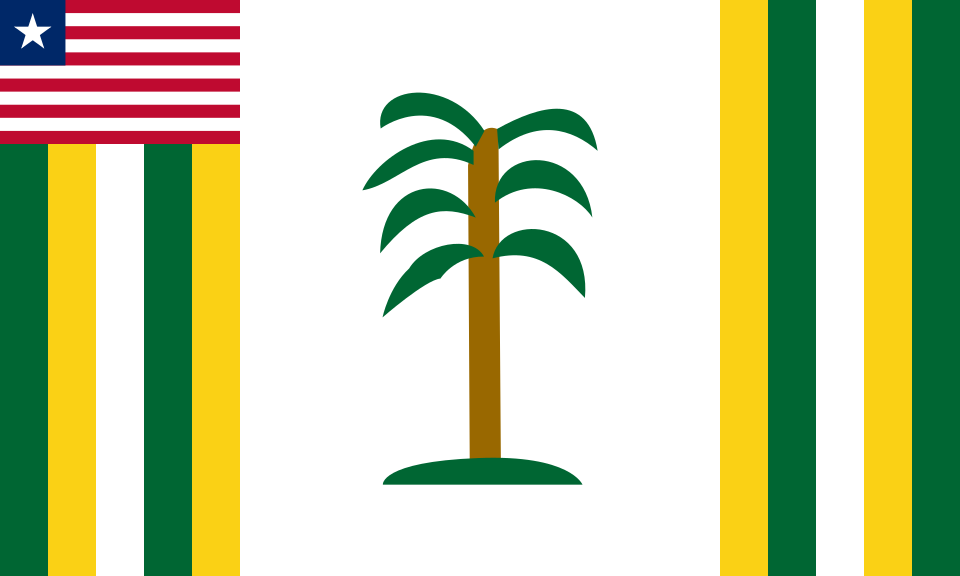
Quick Facts
- 📍 Capital: Barclayville
- 🗺 Region: Southeastern Liberia
- 📅 Established: 1984
- 🌊 Coastline: Atlantic Ocean
- 👥 2022 Population: 109,342
- 🏘 Administrative Districts: 19
- 🎣 Major livelihoods: Fishing and agriculture
- ⛏ Natural resources: Gold, diamonds, forests, fisheries, and farmland
- 🇱🇷 County Status: One of Liberia's 15 counties
Overview
Grand Kru County is located in southeastern Liberia along the Atlantic coast. It stretches between Sinoe County to the west and Maryland County to the east and includes extensive coastal areas, forests, rivers, wetlands, agricultural lands, and rural communities.
The county is especially associated with the Kru and Grebo peoples, coastal fishing communities, traditional culture, and Liberia's long maritime history. Its location along the Atlantic coast has influenced the economic and social life of its people for generations.
Geography and Location
Grand Kru lies in Liberia's southeastern region. Its coastline faces the Atlantic Ocean, while its interior contains forests, rivers, rolling terrain, farmland, and numerous rural settlements.
The county's coastal geography has historically encouraged fishing and maritime activities, while inland communities have depended heavily on farming and forest resources.
Much of the county remains rural. According to the 2022 census, approximately 93.4 percent of the population lived in rural areas, while about 6.6 percent lived in urban areas.
Creation of Grand Kru County
Grand Kru was established in 1984 as part of a major reorganization of Liberia's administrative structure. The former Kru Coast Territory had been associated with Maryland County, while Sasstown Territory had been administered as part of Sinoe County. These territories were brought together to create Grand Kru County, with Barclayville designated as the county seat.
The creation of Grand Kru gave the communities of the region a distinct county administration and strengthened the government's ability to provide public services and coordinate development.
Indigenous History
The history of Grand Kru began centuries before the county was established. Indigenous communities developed villages, farming systems, fishing traditions, trading networks, and forms of traditional leadership throughout the region.
The coastal communities maintained connections with neighboring settlements through trade and maritime activity. The region was also connected to wider networks extending along the Liberian and West African coast.
Kru Maritime Heritage
The Kru peoples' long maritime tradition is another important part of Grand Kru's cultural identity. Kru sailors became well known along the West African coast for their knowledge of the sea, fishing skills, and ability to work on ships.
During the nineteenth and early twentieth centuries, Kru and related coastal peoples participated in maritime labor and trade far beyond their home communities. Their knowledge of coastal waters and ocean travel became an important part of Liberia's historical connection with the Atlantic.
People and Ethnic Groups
Grand Kru is predominantly associated with Kru and Grebo communities. Both peoples have deep historical roots in southeastern Liberia and have contributed greatly to the region's cultural identity.
Different communities maintain their own traditions, family histories, dialects, ceremonies, music, dances, and systems of community organization.
The county's location along Liberia's southeastern coast has also encouraged interaction among neighboring ethnic communities and cross-border cultural connections.
Languages
Kru languages and dialects, Grebo, Liberian English, and other Liberian languages
Barclayville
Information coming soon.
Sasstown and Grand Cess
- 🏙 Barclayville – County capital and administrative center
- 🌊 Grand Cess – Historic coastal community
- 🏘 Sasstown – Former capital of Sasstown Territory
- 🌊 Atlantic coastline – Important fishing and maritime area
- 🎣 Coastal fishing communities – Important sources of food and income
- 🌳 Forest landscapes – Important natural and ecological resources
- ⛏ Mining areas – Associated with gold and diamond resources
Culture and Traditions
Grand Kru's cultural heritage includes traditional music, dance, storytelling, ceremonies, food traditions, fishing practices, farming customs, and community gatherings.
Oral history remains especially important. Elders and community leaders have traditionally preserved stories about ancestors, migration, important events, family histories, and community traditions.
Traditional ceremonies and cultural gatherings also provide opportunities for younger generations to learn about their heritage.
Fishing and Coastal Life
Fishing is also one of the most important traditional livelihoods in Grand Kru. Coastal communities depend on the Atlantic Ocean and nearby rivers for fish and other aquatic resources.
Fishing provides both food and income, with fish sold in local markets and forming an important part of the diet of many coastal households.
Agriculture and Rural Livelihoods
Agriculture is a major source of livelihood in Grand Kru. Many households practice small-scale farming for both food and local income.
Rice and cassava are important food crops. Farmers also grow plantains, bananas, vegetables, and other crops depending on local conditions.
Hunting, small-scale livestock activities, petty trading, and other rural activities supplement agricultural income.
Natural Resources
Grand Kru contains extensive forests, agricultural land, fisheries, rivers, coastal ecosystems, and mineral resources.
Government reporting identifies gold and diamonds among the county's natural resources. Forest resources and fisheries are also important to local livelihoods.
The forests of Grand Kru are part of Liberia's wider tropical forest ecosystem. They provide habitat for wildlife and supply forest products used by surrounding communities.
Forests also help protect soil and water systems and support agricultural and rural livelihoods.
These resources provide economic opportunities, but sustainable management is important to protect forests, waterways, wildlife, farmland, and fishing grounds for future generations.
Mining
Small-scale mining has formed part of the economic activities of Grand Kru. Gold and diamond deposits are among the mineral resources associated with the county.
Mining can provide income and employment, particularly in rural areas. At the same time, responsible mining practices are important because uncontrolled extraction can affect farmland, rivers, forests, and other community resources.
Forests and Environmental Importance
Grand Kru contains extensive forests, agricultural land, fisheries, rivers, coastal ecosystems, and mineral resources.
Government reporting identifies gold and diamonds among the county's natural resources. Forest resources and fisheries are also important to local livelihoods.
The forests of Grand Kru are part of Liberia's wider tropical forest ecosystem. They provide habitat for wildlife and supply forest products used by surrounding communities.
Forests also help protect soil and water systems and support agricultural and rural livelihoods.
These resources provide economic opportunities, but sustainable management is important to protect forests, waterways, wildlife, farmland, and fishing grounds for future generations.
Education and Community Development
Education is an important part of Grand Kru's development. Schools in Barclayville and other communities serve children throughout the county.
Rural communities have historically faced challenges involving roads, school infrastructure, teacher availability, and access to educational materials.
Expanding quality education remains important for creating opportunities for young people and strengthening the county's future workforce.
Grand Kru During the Civil Wars
Grand Kru, like other parts of Liberia, was affected by the civil wars that occurred between 1989 and 2003. Communities experienced displacement, disruption of education, economic hardship, and interruption of government services.
The wars disrupted transportation and trade and made it difficult for many rural communities to access schools, healthcare, and markets.
After the conflict ended, rebuilding roads, schools, health facilities, markets, and local institutions became important priorities for the county.
Population
Liberia's 2022 National Population and Housing Census recorded a population of 109,342 (2022 Census) in Grand Kru County.
Important Places
- 🏙 Barclayville – County capital and administrative center
- 🌊 Grand Cess – Historic coastal community
- 🏘 Sasstown – Former capital of Sasstown Territory
- 🌊 Atlantic coastline – Important fishing and maritime area
- 🎣 Coastal fishing communities – Important sources of food and income
- 🌳 Forest landscapes – Important natural and ecological resources
- ⛏ Mining areas – Associated with gold and diamond resources
Development and Present-Day Importance
Grand Kru's development is closely connected to agriculture, fishing, transportation, responsible mining, forestry, education, and tourism.
The county's coastline provides opportunities for fisheries and tourism, while its forests and natural landscapes provide possibilities for carefully managed ecotourism.
Government reporting also identifies ecotourism as one of the county's potential livelihood and development activities.
Better roads, electricity, healthcare, schools, communications, markets, and transportation remain important for connecting rural communities with economic opportunities.
Historical Importance
Grand Kru is historically important because it preserves a significant part of Liberia's southeastern coastal heritage. Its history is closely connected with the Kru and Grebo peoples, maritime traditions, fishing, agriculture, and coastal trade.
The creation of Grand Kru in 1984 also represents an important moment in Liberia's administrative history. Former territories associated with Sinoe and Maryland were brought together under a new county government.
The county's maritime heritage demonstrates the long-standing relationship between Liberia's coastal communities and the Atlantic Ocean. Today, Grand Kru remains important because of its people, cultural traditions, coastal resources, forests, fisheries, mineral resources, and potential for sustainable development.
Key Facts About Grand Kru County
- 🇱🇷 Grand Kru is one of Liberia's 15 counties.
- 📅 It was established in 1984.
- 🏙 Barclayville is the county capital.
- 👥 The 2022 census recorded 109,342 residents.
- 🏘 The county has 19 administrative districts.
- 🌊 Grand Kru has an Atlantic Ocean coastline.
- 🎣 Fishing is an important traditional livelihood.
- 🌾 Agriculture is a major source of rural income and food.
- 👥 Kru and Grebo communities are strongly associated with the county.
- ⚓ Grand Kru has a long maritime and coastal heritage.
- ⛏ Gold and diamonds are among its mineral resources.
- 🌳 Forests and fisheries are important environmental resources.
- 🏖 The coastline provides opportunities for tourism and ecotourism.