Grand Gedeh County
Explore the history, people, culture, economy, natural resources, and important places of Grand Gedeh County, Liberia.
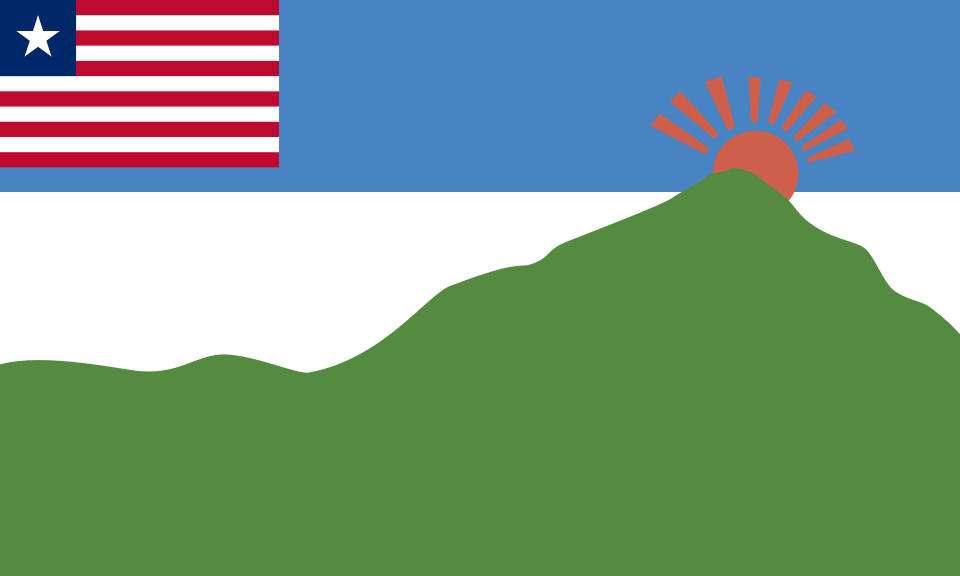
Quick Facts
- 📍 Capital: Zwedru
- 🗺 Region: Southeastern Liberia
- 🇱🇷 Created: 1964
- 🏛 County Status: One of Liberia's 15 counties
- 👥 2022 Population: 216,692
- 🏘 Districts: 8
- 🌳 Known for: Forests, biodiversity, agriculture, and cultural heritage
- 🌍 Border: Côte d'Ivoire
Geography and Location
Grand Gedeh County is located in southeastern Liberia and shares an international border with Côte d'Ivoire to the east. It is connected to River Gee, Sinoe, Nimba, and other parts of southeastern and central Liberia.
The county contains extensive forests, agricultural land, rivers, wetlands, and rural communities. Its location near the Côte d'Ivoire border has historically encouraged movement, trade, cultural exchange, and social relationships between communities on both sides of the border.
The county's eastern border has also given Grand Gedeh an important regional position during periods of political instability and conflict in Liberia and neighboring countries.
History
The history of the Grand Gedeh region began long before it became a county. Indigenous communities established villages, farms, trading relationships, political institutions, and systems of traditional authority throughout the region.
The area became an important part of the cultural landscape of southeastern Liberia. Communities maintained relationships with neighboring populations through trade, marriage, migration, farming, and other forms of social interaction.
Grand Gedeh became a county in 1964 during the presidency of William V. S. Tubman. It was one of four counties created during the implementation of Tubman's Unification Policy, together with Bong, Lofa, and Nimba.
The Unification Policy was intended to reduce divisions between Liberia's indigenous communities and the settler political elite and to bring greater parts of the country into the national administrative and political system.
The creation of Grand Gedeh therefore represents an important stage in the expansion and reorganization of Liberia's county administration.
Zwedru is the capital of Grand Gedeh County and the county's principal administrative and commercial center.
The city serves as an important connection between rural communities and the wider Liberian economy. Government offices, markets, schools, businesses, transportation services, and other institutions are concentrated in and around Zwedru.
Zwedru has also played an important role in Liberia's modern political and conflict history. During the civil wars, the city and surrounding communities experienced major disruption.
Mining and Mineral Economy
Grand Gedeh's economy is primarily connected to agriculture, forestry, trade, and other natural-resource-based activities.
The county's forests, agricultural land, wildlife, rivers, and other natural resources provide economic opportunities for communities. Responsible management of these resources is important for ensuring that economic activity does not undermine the environment or long-term livelihoods.
About Grand Gedeh County
Grand Gedeh County is located in southeastern Liberia. It borders Côte d'Ivoire to the east and is connected to River Gee, Sinoe, Nimba, and other parts of southeastern and central Liberia.
The county is characterized by extensive forests, agricultural communities, rivers, wetlands, and rich biodiversity. Its location also gives it an important historical and cultural connection with neighboring communities across the Liberian and Ivorian border.
People, Ethnic Groups, and Languages
Grand Gedeh is strongly associated with the Krahn people, who form an important part of the county's cultural and historical identity. Other communities also live in the county, making Grand Gedeh part of Liberia's wider multicultural society.
Traditional community structures, elders, chiefs, family networks, and local institutions have historically played important roles in community life.
Krahn languages are important indigenous languages in the county. Liberian English and other Liberian languages are also used, particularly in towns and in interactions between different communities.
Because Grand Gedeh is close to Côte d'Ivoire, cross-border cultural and linguistic connections have also influenced life in southeastern Liberia.
Agriculture and Economy
Agriculture is one of the main sources of livelihood for people in Grand Gedeh County. Many rural households depend on farming for food and income.
Rice and cassava are important food crops. Farmers also produce plantains, bananas, vegetables, and other crops depending on local conditions.
Farming is closely connected to the county's forests and rainfall patterns. Small-scale livestock raising, fishing, hunting, and local trading also contribute to rural livelihoods.
Natural Resources
Grand Gedeh possesses extensive natural resources, particularly forests and wildlife habitats. Its forests form part of Liberia's remaining Upper Guinean Forest ecosystem, one of West Africa's most important biodiversity regions.
Rivers, agricultural land, timber resources, wildlife, and other forest products have traditionally supported communities across the county.
One of Grand Gedeh's most important environmental landmarks is Grebo-Krahn National Park. The park was established in 2017 and extends across Grand Gedeh and River Gee counties.
The park protects a large forest landscape containing important habitats for wildlife and plant species. It forms part of Liberia's broader efforts to conserve its remaining forests and biodiversity.
Responsible management of these resources is important because many communities depend directly on the environment for food, farming, building materials, and income.
Education
Education has been an important part of Grand Gedeh's development, particularly in Zwedru and other population centers.
Schools serve communities across the county, although rural areas have historically faced greater challenges with transportation, infrastructure, staffing, and access.
Rebuilding and expanding education became especially important after Liberia's civil wars disrupted schools and displaced families throughout southeastern Liberia.
Culture and Traditions
Grand Gedeh has a rich cultural heritage expressed through traditional music, dance, storytelling, ceremonies, clothing, food, farming practices, and community gatherings.
Oral traditions have historically been important for passing knowledge from older generations to younger generations. Traditional stories can preserve information about ancestry, migration, social values, historical events, and relationships between communities.
Traditional leadership and community institutions have also contributed to maintaining social organization and resolving local disputes.
Important Places
- 🏙 Zwedru – County capital and major commercial center
- 🌳 Grebo-Krahn National Park – Major protected forest landscape
- 🌿 Rural farming communities – Important agricultural areas
- 🌊 Rivers and wetlands – Important natural resources
- 🌳 Forest landscapes – Important biodiversity habitats
- 🌍 Côte d'Ivoire border – Important regional and cultural connection
Grand Gedeh County During Liberia's Civil Wars
Grand Gedeh was one of the Liberian counties heavily affected by the civil conflicts between 1989 and 2003. Zwedru and surrounding communities experienced fighting, displacement, destruction, political violence, and severe disruption of everyday life.
The county's location near the Côte d'Ivoire border also connected it to the wider regional conflict environment and movements of people during periods of instability.
The Truth and Reconciliation Commission later held public hearings in Zwedru to document experiences of the war and provide an opportunity for victims, witnesses, community leaders, and others to speak about the conflict.
The TRC records demonstrate the scale of the conflict's impact on Grand Gedeh communities and the importance of reconciliation and historical documentation after the war.
Population
Liberia's 2022 National Population and Housing Census recorded a population of 216,692 (2022 Census) in Grand Gedeh County.
Population information is important for understanding the county's needs in areas such as education, healthcare, roads, housing, employment, and other public services.
Development and Present-Day Importance
Grand Gedeh's future development is closely connected to agriculture, forestry, conservation, trade, education, transportation, and small businesses.
The county's large forest areas provide opportunities for conservation and carefully managed ecotourism. Agriculture and improved market access can also provide greater economic opportunities for rural communities.
Its position along the Côte d'Ivoire border gives Grand Gedeh additional opportunities for regional trade and cultural exchange.
Better roads, healthcare, electricity, education, communications, and market infrastructure remain important for connecting the county's rural communities with national economic opportunities.
Historical Importance
Grand Gedeh is historically important because it represents the political, cultural, environmental, and economic significance of southeastern Liberia.
Its creation in 1964 marked an important moment in Liberia's administrative history and Tubman's effort to integrate the country's indigenous regions more closely into national government.
The county's experience during Liberia's civil wars also makes it an important part of the country's modern history. At the same time, its forests and biodiversity make it important to Liberia's environmental future.
Key Facts About Grand Gedeh County
- 🇱🇷 Grand Gedeh is one of Liberia's 15 counties.
- 📅 It was created in 1964 during President William V. S. Tubman's administration.
- 🏙 Zwedru is the county capital.
- 👥 The 2022 census recorded 216,692 residents.
- 🏘 The county has 8 districts and 32 clans.
- 🌳 Grebo-Krahn National Park was established in 2017.
- 🌍 The county borders Côte d'Ivoire.
- 🌾 Agriculture is an important source of rural livelihoods.
- 🌳 Grand Gedeh contains important forest and wildlife habitats.
- 🕊 Zwedru hosted Truth and Reconciliation Commission hearings after the civil war.