Grand Bassa County
Explore the history, people, culture, economy, coastal heritage, and important places of Grand Bassa County, Liberia.
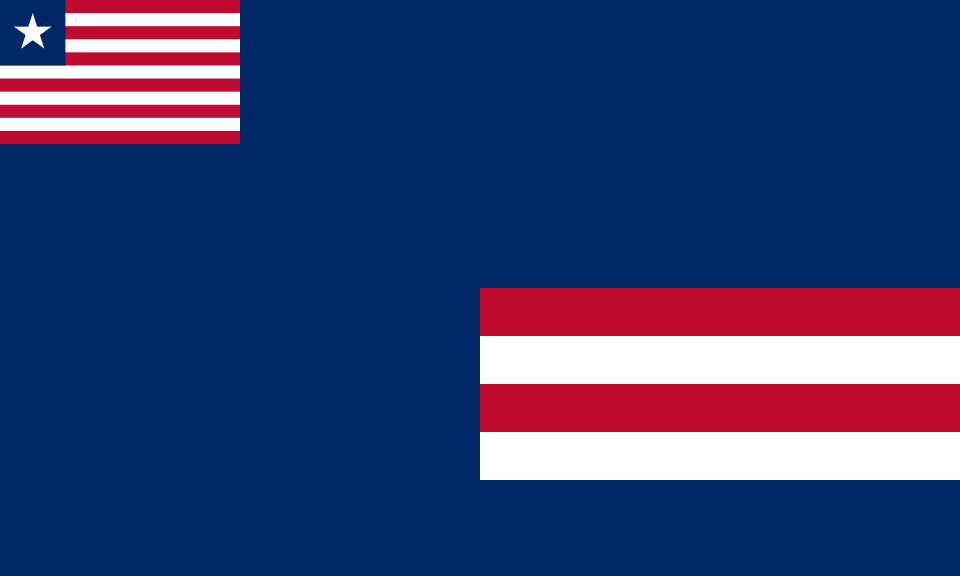
Quick Facts
- 📍 Capital: Buchanan
- 🗺️ Region: Central Liberia
- Population: 293,689 (2022 Census)
- County status: One of Liberia's 15 counties
- Location: Atlantic coastal Liberia
- Known for: Buchanan Port, coastal communities, agriculture, and natural resources
- Major indigenous group: Bassa
- Historical connection: Bassa Cove and Liberia's early republican history
Overview
Buchanan, the county capital, is one of Liberia's major coastal cities and has historically served as an important center for trade, transportation, administration, and maritime activity.
Buchanan developed as a center of commerce and maritime activity. Its coastal location helped it become an important gateway for the movement of goods and natural resources. Today, Buchanan remains the administrative and commercial center of Grand Bassa and serves surrounding communities through markets, transportation, education, government, and other services.
Geography and Location
Grand Bassa lies on Liberia's Atlantic coast. Its geographical position gives the county access to coastal waters while also connecting inland communities with Buchanan and other commercial centers.
The county contains coastal areas, rivers and streams, forests, farmland, wetlands, towns, villages, and agricultural communities.
Its location has made Grand Bassa important to Liberia's transportation and trade networks, particularly through Buchanan and its port facilities.
Early History
The history of Grand Bassa extends far beyond the creation of Liberia's modern county system. The region was home to indigenous communities, particularly the Bassa people, whose societies had established political, economic, and cultural traditions long before the arrival of settlers from the United States.
During the nineteenth century, settlements associated with the American Colonization Society developed along the coast. Bassa Cove became one of the important settlements in the region.
In 1839, Bassa Cove was incorporated into Liberia. This made the area part of the expanding political territory that eventually became the independent Republic of Liberia.
Grand Bassa and Liberia's Independence
Grand Bassa occupies an important place in Liberia's history because of its connection to the Bassa people, nineteenth-century settlements, the formation of the Liberian state, coastal trade, mining, and national economic development.
Its history demonstrates how indigenous societies, settler communities, ports, natural resources, agriculture, and commerce became connected to the development of modern Liberia.
Buchanan
The Bassa people have a major historical and cultural presence in Grand Bassa County. Bassa communities have maintained distinctive traditions, social institutions, language, music, and cultural practices.
Grand Bassa is also home to people from other Liberian ethnic communities, especially in urban areas where trade, employment, education, and migration have brought together people from different parts of Liberia.
English is Liberia's official language, while Liberian English and indigenous languages are commonly used in everyday life.
Buchanan Port and Maritime Importance
🏙️ Buchanan City
Buchanan Port
Atlantic coastal communities
Edina
Historic Bassa Cove area
Forest and agricultural landscapes
Transportation routes connecting Buchanan with inland Liberia
Mining and Economic History
Grand Bassa has been connected to Liberia's mining and industrial development, especially through transportation and port facilities used by the iron ore industry.
The county's port and transportation infrastructure helped connect mineral-producing areas with international markets. This made Grand Bassa an important part of Liberia's export economy.
Mining activity has also influenced employment, infrastructure, commerce, and population movement in the county.
People, Ethnic Groups, and Languages
The Bassa people have a major historical and cultural presence in Grand Bassa County. Bassa communities have maintained distinctive traditions, social institutions, language, music, and cultural practices.
Grand Bassa is also home to people from other Liberian ethnic communities, especially in urban areas where trade, employment, education, and migration have brought together people from different parts of Liberia.
English is Liberia's official language, while Liberian English and indigenous languages are commonly used in everyday life.
Culture and Traditions
Information coming soon.
Agriculture and Livelihoods
The Bassa people have a major historical and cultural presence in Grand Bassa County. Bassa communities have maintained distinctive traditions, social institutions, language, music, and cultural practices.
Grand Bassa is also home to people from other Liberian ethnic communities, especially in urban areas where trade, employment, education, and migration have brought together people from different parts of Liberia.
English is Liberia's official language, while Liberian English and indigenous languages are commonly used in everyday life.
Natural Resources
Grand Bassa possesses important natural resources, including forests, agricultural land, water resources, coastal resources, and mineral resources.
The county's natural environment provides opportunities for agriculture, fishing, forestry, commerce, and other economic activities.
Sustainable management of these resources is important for protecting the environment while supporting the livelihoods of present and future generations.
Grand Bassa During Liberia's Civil Wars
Grand Bassa was affected by Liberia's civil wars. Communities experienced displacement, insecurity, disruption of education and healthcare, and damage to infrastructure and economic activity.
Economic activities connected to the port, mining, agriculture, trade, and transportation were disrupted during periods of conflict.
After the wars, reconstruction efforts focused on restoring public services, infrastructure, transportation, education, healthcare, and economic opportunities.
Population
Liberia's 2022 National Population and Housing Census recorded a population of 293,689 (2022 Census) in Grand Bassa County.
Population growth and movement have contributed to the development of Buchanan and other urban centers, while rural communities remain important to agriculture and local livelihoods.
Important Places
- 🏙️ Buchanan City
- Buchanan Port
- Atlantic coastal communities
- Edina
- Historic Bassa Cove area
- Forest and agricultural landscapes
- Transportation routes connecting Buchanan with inland Liberia
Education and Community Development
Education plays an important role in the development of Grand Bassa County. Schools and other educational institutions serve communities in Buchanan and throughout the county.
Expanding access to quality education, vocational training, and higher education remains important for creating opportunities for young people and strengthening the county's workforce.
Development and Present-Day Importance
Grand Bassa remains important to Liberia because of its coastal location, population, agricultural economy, transportation connections, natural resources, and maritime history.
Buchanan's position as a port city gives the county particular importance to national trade and transportation.
Continued investment in roads, port infrastructure, agriculture, education, healthcare, tourism, and local businesses can strengthen economic opportunities throughout the county.
Historical Importance
Grand Bassa occupies an important place in Liberia's history because of its connection to the Bassa people, nineteenth-century settlements, the formation of the Liberian state, coastal trade, mining, and national economic development.
Its history demonstrates how indigenous societies, settler communities, ports, natural resources, agriculture, and commerce became connected to the development of modern Liberia.
Key Facts About Grand Bassa County
- 🇱🇷 Grand Bassa is one of Liberia's 15 counties.
- 🏙️ Buchanan is the county capital.
- 👥 The 2022 census recorded 293,689 people in Grand Bassa.
- 🌊 The county is located along Liberia's Atlantic coast.
- ⚓ Buchanan is an important Liberian port city.
- Bassa Cove was incorporated into Liberia in 1839.
- Grand Bassa communities were represented in Liberia's 1847 constitutional process.
- The Bassa people have a major historical and cultural presence in the county.
- Agriculture remains important to rural livelihoods.
- The county has played an important role in Liberia's mining and export history.
- Buchanan's port connects Grand Bassa to Liberia's wider trade network.