Liberia Before 1822: The History of Early Liberia
Published Thu Aug 06 2026
Liberia Before 1822: The History of Early Liberia
Before Liberia became an independent country in 1847, the land had a long and rich history. For hundreds of years, different communities lived, migrated, traded, developed traditions, and interacted with one another across the region.
The period before 1822 is an important part of Liberian history because it explains the origins of the people, their cultures, their relationships, and their contact with the outside world before the founding of the colony that later became the Republic of Liberia.
This article examines the early inhabitants of Liberia, the migration of different tribes, relationships among communities, European contact, the effects of the Atlantic slave trade, and the traditional political, religious, and educational systems of pre-1822 Liberia.
Prehistoric Liberians
The term prehistoric refers to the period before written records existed. In Liberia, prehistoric Liberians were the earliest people who lived in the region before there were written accounts of their lives. Because these people left little or no written history, historians rely mainly on oral traditions and archaeological discoveries to learn about them.
One important question often asked is whether Liberia was already inhabited before the arrival of the ancestors of today's ethnic groups. According to the oral traditions of several Liberian communities, the answer is yes. For example, the Grebo people believe that when their ancestors settled in what is now Maryland County, they found two groups already living there, known as the Baabo and Blewe. Likewise, the oral traditions of the Krahn people state that they encountered earlier inhabitants whose language they learned and spoke.
Although oral history provides valuable information, it is not always completely reliable because stories can change over time as they are passed from one generation to another. For this reason, historians also depend on archaeology. Through careful excavation of ancient settlements, archaeologists can uncover artifacts such as cooking pots, stone tools, fire hearths, weapons, and other objects. These discoveries help researchers understand how Liberia's earliest inhabitants lived, worked, and interacted with their environment.
The Coming of Historic Liberians: The Tribes
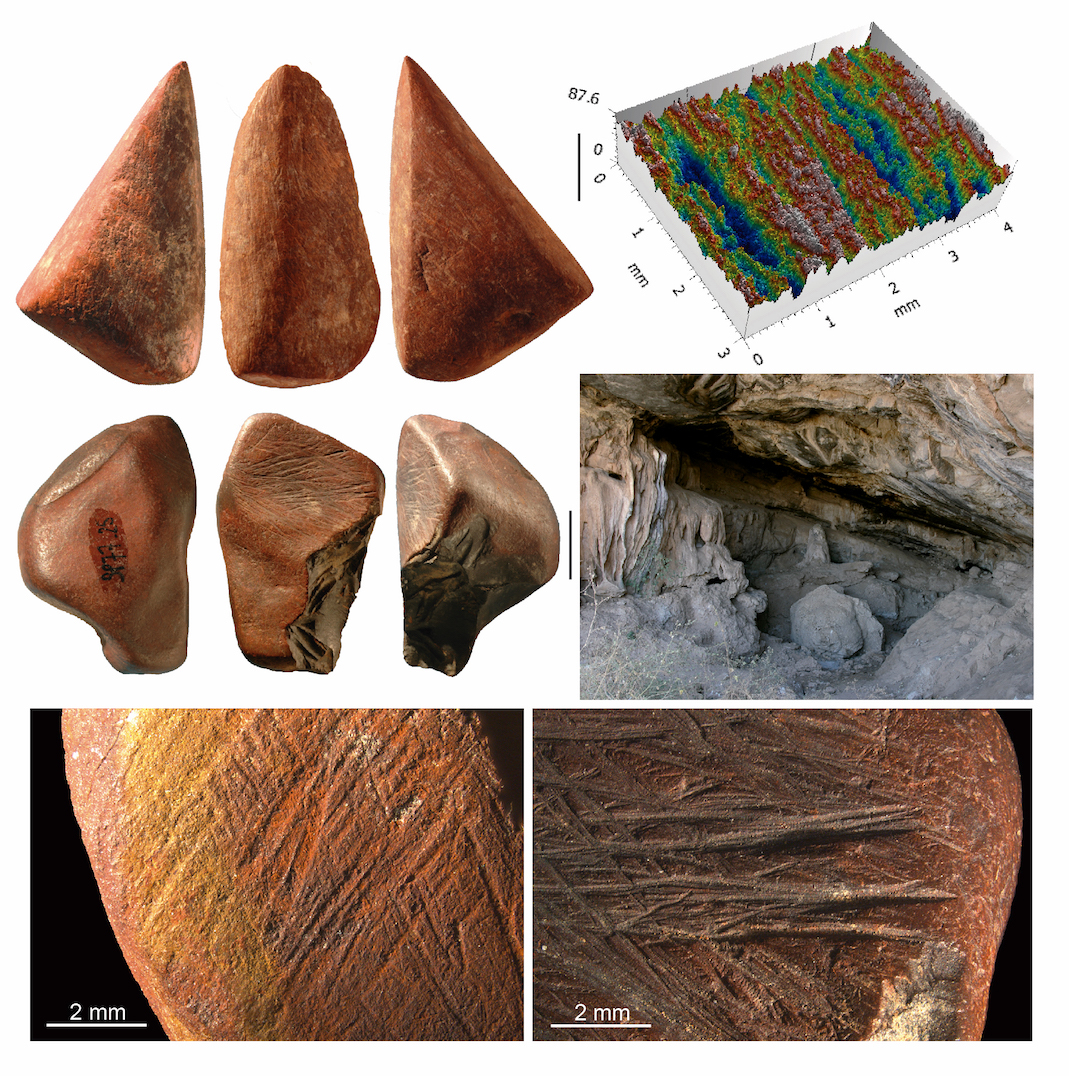
Long before the arrival of freed African Americans in the early nineteenth century, various ethnic groups had already settled across the region that is now Liberia. These communities are known as the historic Liberians because both oral traditions and some written records provide information about their origins and way of life.
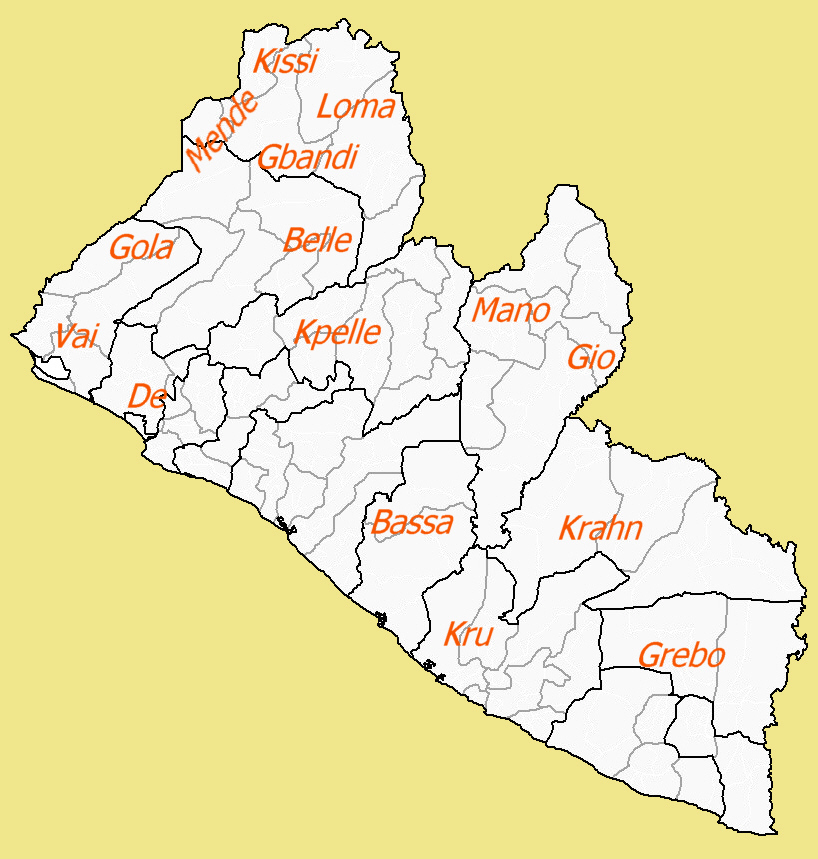
The major ethnic groups included the Bassa, Belle, Dan (Gio), Dei, Bandi, Gola, Grebo, Kissi, Kpelle, Krahn, Kru, Lorma, Mano, Mandingo, Mende, and Vai. Each group developed its own language, customs, traditions, and political organization while contributing to Liberia's rich cultural heritage.
Unlike modern societies, these communities did not have written records describing where they came from or why they migrated. Instead, knowledge about their history was passed from one generation to another through oral tradition. As a result, historians rely on oral accounts, archaeology, and historical research to reconstruct their early history.
Many oral traditions suggest that several Liberian ethnic groups migrated from regions that are now part of Guinea, Mali, and neighboring areas of West Africa. The migrations were often caused by warfare, invasions, political instability, or the search for safer and more fertile land.
For example, Kpelle and Mano traditions point to present-day Guinea as the homeland of their ancestors. Likewise, the Vai and Lorma trace their origins to areas influenced by the former Mali Empire. Although exact dates cannot always be confirmed, these traditions provide valuable insight into the movement of people across West Africa before the establishment of Liberia in 1822.
The arrival of these ethnic groups over many centuries gradually shaped the population, cultures, and societies that later became the foundation of modern Liberia.
The Great West African Empires (Ghana, Mali, and Songhai)
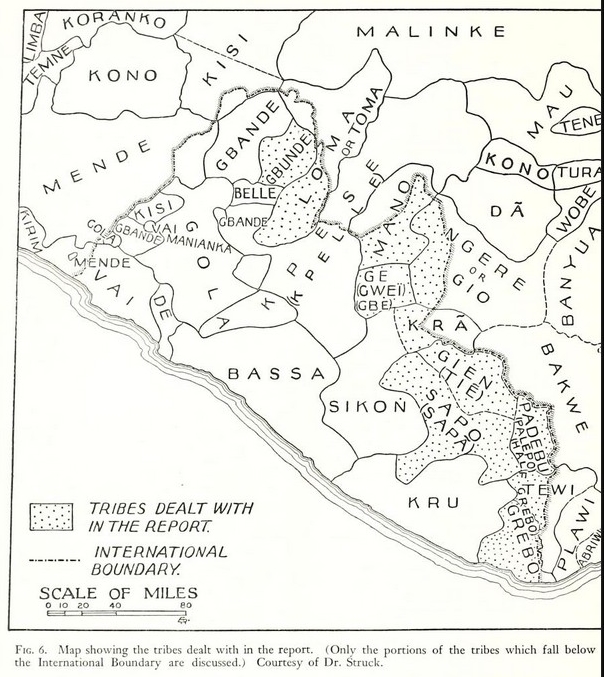
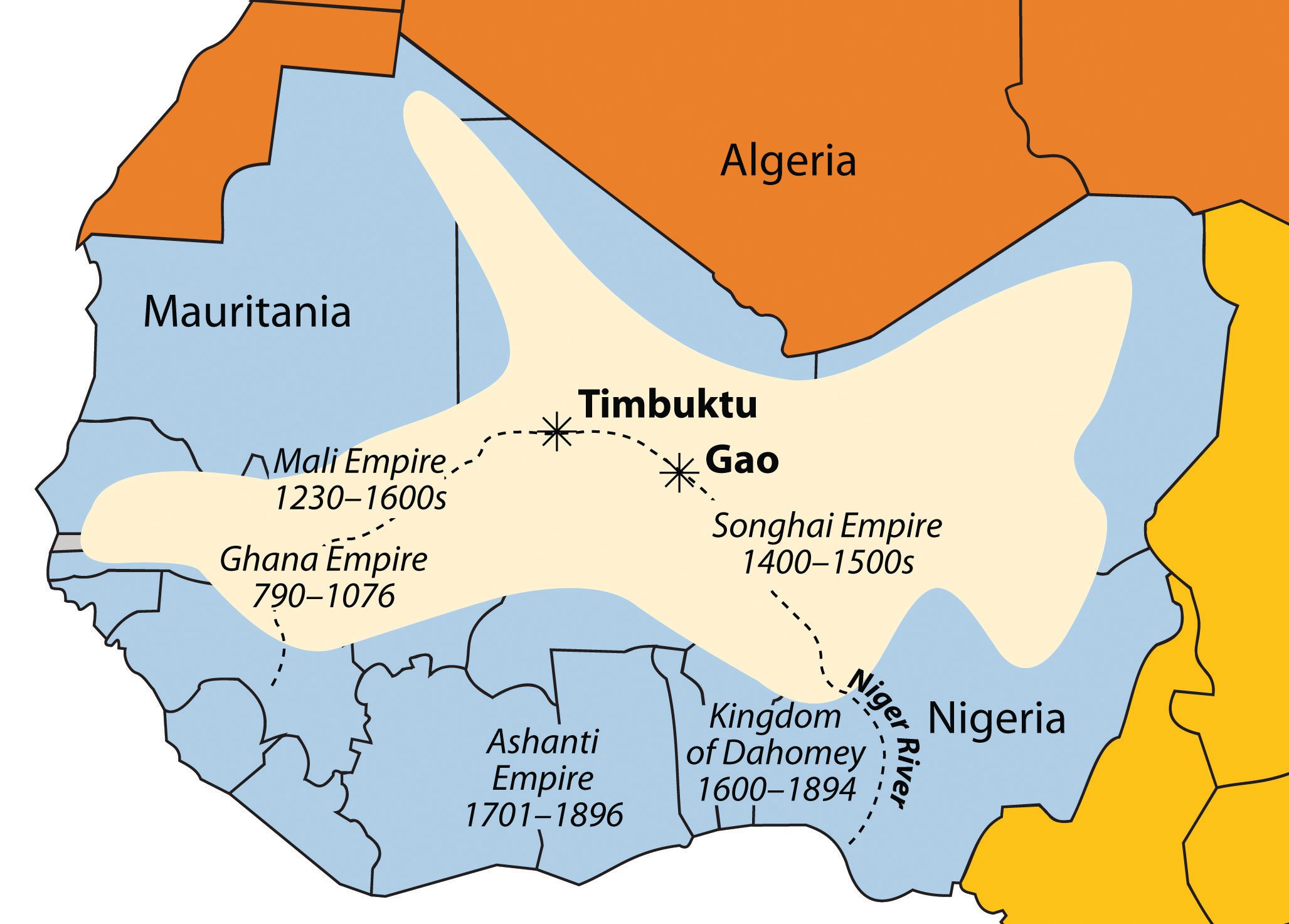
The history of Liberia before 1822 cannot be fully understood without examining the great empires that once flourished in West Africa. The empires of Ghana, Mali, and Songhai were among the most powerful kingdoms in African history. Their rise and eventual decline influenced the movement of people across the region and contributed to the migration of several groups into present-day Liberia.
The Ghana Empire
The Ghana Empire was founded around the 5th century A.D. in what is now southeastern Mauritania and western Mali. It became famous for its rich gold resources and its control of the trans-Saharan trade routes. Ghana had two important capitals: Al Ghaba, the political center where the king ruled, and Kumbi Saleh, the commercial center where merchants from different regions traded goods.
Around 1076, the Ghana Empire declined after attacks by the Almoravids, a Muslim Berber group from North Africa. The resulting wars and political instability forced many people to migrate to safer areas, and some historians believe these movements eventually reached present-day Liberia.
The Mali Empire
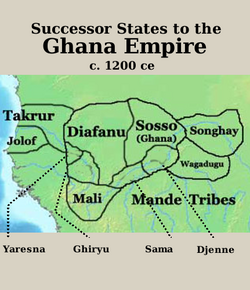
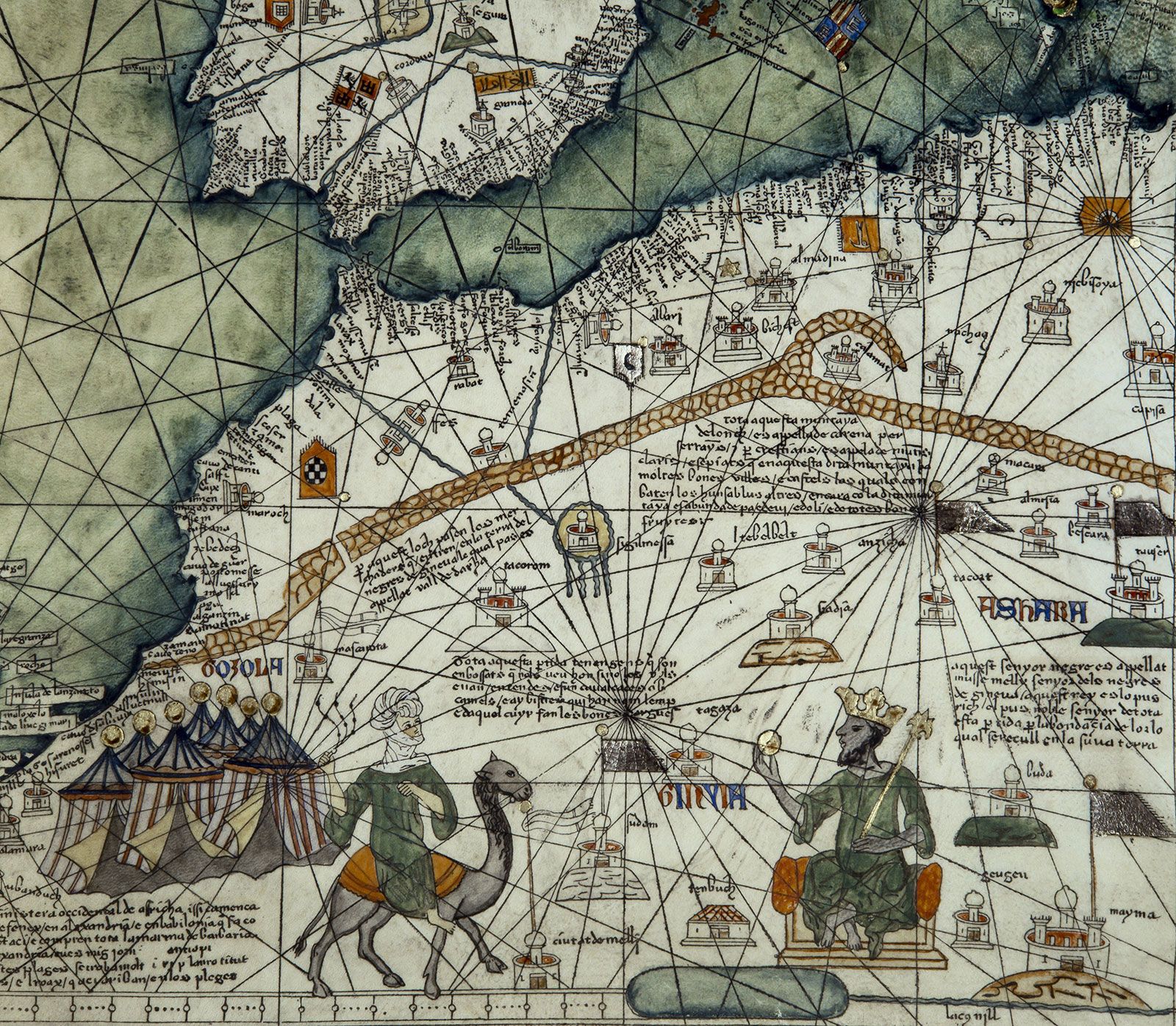
After the decline of Ghana, the Mali Empire emerged in 1236 as one of the largest and wealthiest empires in African history. Mali controlled vast trade networks in gold, salt, and other valuable goods. It also became an important center of Islamic learning and culture.
The empire reached its greatest height under Mansa Musa, who ruled from 1312 to 1336. He became famous throughout the world for his wealth and his pilgrimage to Mecca. Following his death, the empire gradually weakened as provinces gained independence and internal conflicts increased.
The decline of Mali encouraged further migration across West Africa. According to Liberian oral traditions, the ancestors of the Vai and Lorma people may have been among those who moved southward during this period.
The Songhai Empire
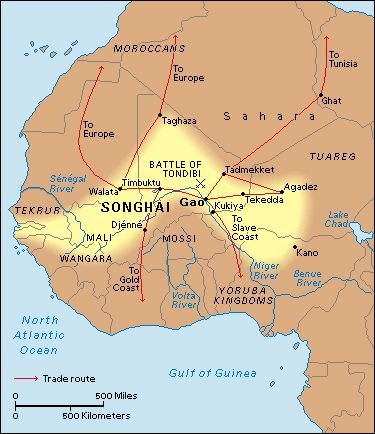
The Songhai Empire replaced Mali as the dominant power in West Africa during the 15th century. It expanded into one of the largest empires the continent had ever seen and became a center of trade, government, and education.
In 1591, Songhai was invaded by Moroccan forces from North Africa. The empire collapsed, leading to widespread political disorder and migration throughout the region. Historians believe that some groups eventually moved toward the forests and coastal areas of present-day Liberia as a result of these changes.
Historical Significance
Although no single migration can explain the origins of all Liberian ethnic groups, the rise and fall of the Ghana, Mali, and Songhai empires played an important role in shaping population movements throughout West Africa. Combined with oral traditions and archaeological evidence, the history of these empires helps historians better understand how Liberia's diverse communities came to settle in the region long before the founding of the colony in 1822.
Relations Between and Among the Tribes
Before Liberia was founded in 1822, the different tribes living in the region had many forms of contact and relationships with one another. These relationships were built through trade, friendship, marriage, and alliances. Although the tribes had their own languages, customs, and traditions, they were not isolated from one another.
When people from the interior traveled to the coast to sell their products, they often passed through the territories of other tribes. During these journeys, they developed friendships and connections with the people they met. Many of these relationships continued for years and helped create stronger bonds among communities.
Marriage was another important way tribes developed close relationships. Members of different tribes sometimes married one another, creating extended families that connected communities together. Through these family relationships, people shared customs, traditions, and knowledge with one another.
Another method of cooperation among tribes was through alliances. An alliance was an agreement between groups to support and defend one another during times of conflict. These alliances helped communities protect themselves and maintain peace with neighboring groups.
Before 1822, only a small number of Liberians traveled outside Africa, but long-distance travel within West Africa was common. Some groups that had migrated from areas such as present-day Guinea often returned to visit relatives and maintain connections with their original communities.
Among the Liberian tribes, the Kru were especially known for traveling widely. As early as 1793, some Kru people were living in Freetown, Sierra Leone, where they worked with the British government and the Sierra Leone Company. Later, Kru laborers also participated in major international projects, including the construction of the Suez Canal in Egypt, which opened in 1869, and the Panama Canal in Central America during the 1880s.
The relationships among Liberia’s tribes before 1822 show that the people of the region had long histories of interaction, cooperation, and cultural exchange. These connections helped shape the diverse society that later became the Republic of Liberia.
Europe and America Come to West Africa
The history of Liberia before 1822 was not only shaped by the movement of African peoples but also by contact with Europeans and Americans. For many centuries, Europeans came to the West African coast in search of trade opportunities, natural resources, and new routes for commerce.
The earliest known Europeans to visit Liberia were the Normans from France, who arrived in the fourteenth century. The exact year was 1364. The Normans established trading centers in the areas of Bassa and Sinoe, marking some of the earliest known European contacts with the Liberian coast.
Later, Portuguese explorers arrived on the Liberian coast. Pedro de Cintra was the first Portuguese sailor known to have reached Liberia. During his voyage around 1461, de Cintra captured a person near Cape Mesurado and took him to Portugal. After this event, Portuguese sailors continued visiting Liberia and other parts of the West African coast.
The Portuguese gave names to many important locations along the coast, including Cape Mount, Cape Mesurado, St. Paul River, River Cess, and Cape Palmas. They also called the region between Cape Mesurado and the Farmington River in present-day Margibi County the Malaguetta Coast because the area was rich in malaguetta pepper.
When the British and French later arrived, they referred to this same area as the Grain Coast or Pepper Coast because of the importance of spices and other goods traded from the region. Before 1822, the term Grain Coast was used to describe the coastal area of present-day Liberia.
The Dutch arrived on the Grain Coast during the sixteenth century to trade for gold and other natural resources. In 1626, German geographer Levinus Hulsius published records describing Dutch activities in West Africa. His writings included information about Samuel Braun, a German-Swiss traveler who visited the region in 1611 and later returned to Europe with valuable resources, including ivory and gold.
The English also arrived on the Grain Coast during the sixteenth century. Their main interest was trade, especially in rice and other agricultural products. In 1551, Captain William Towerson arrived near the Cestos River with his ships, the Hart and the Hinde. Another English explorer, Captain Windham, visited the Liberian coast in 1556.
In 1668, Dutch geographer Olfert Dapper published a book about West Africa that included several references to the Grain Coast. Among the places he mentioned was a kingdom called Quoja, which was located between the Mano River and Cape Mesurado.
The French later joined European exploration and trade along the Grain Coast in the eighteenth century. In 1725, a French expedition led by Chevalier des Marchais visited the region. The French were offered Cape Mesurado as a possible location for growing sugar cane, but the plan was never developed.
European contact with Liberia brought both opportunities and challenges. While trade introduced new goods and connections with the outside world, it also opened the way for one of the darkest periods in African history: the transatlantic slave trade.
The Great Slave Trade
The arrival of Europeans on the West African coast brought new forms of trade, but it also led to one of the most painful periods in African history: the Great Slave Trade, also known as the Transatlantic Slave Trade.
It is important to understand that forms of slavery existed in Africa before European contact. One example was domestic slavery, where enslaved people often lived within African societies and performed various duties. However, domestic slavery in Africa was different from the large-scale system of slavery that developed across the Atlantic Ocean, where millions of Africans were forced to work under harsh conditions in the Americas.
During the Transatlantic Slave Trade, Africans were transported across the Atlantic to work mainly on plantations in the Caribbean Islands, Brazil, and North America. They were forced to produce crops such as sugar, coffee, cotton, and tobacco.
In the early period of the slave trade, some enslaved people came from existing systems of servitude. As demand increased and supplies became limited, both African and European traders used violent methods to capture and sell people. Powerful African kingdoms sometimes attacked weaker communities and sold captives to European traders. Europeans also participated in kidnapping and other cruel methods to obtain enslaved Africans.
Several European slave traders became known along the Grain Coast. Among them were John Hawkins, Pedro Blanco, and Theodore Canot. John Hawkins was an English slave trader who made several voyages during the sixteenth century. On his first voyage in 1562, he transported nearly two hundred enslaved Africans.
Pedro Blanco and Theodore Canot were important figures in the slave trade along the West African coast. They first operated in the Gallinas region of Sierra Leone among the Vai people near Cape Mount. Pedro Blanco arrived there in 1827, and Theodore Canot joined him in 1829. Later, Canot moved his activities closer to Liberia.
Many communities along the Grain Coast became connected to the slave trade in different ways. Some groups acted as middlemen, purchasing enslaved people from local leaders and selling them to European traders. Others became victims of raids and conflicts connected to the trade.
The effects of the slave trade were devastating for Africans who were taken away from their homeland. Many suffered from violence, separation from their families, and the loss of their languages, traditions, and cultural practices. Enslaved Africans in the Americas were often forced to abandon their identities and were treated as inferior by slave societies.
The slave trade also caused great damage to Africa itself. Many communities lost large numbers of young and productive people. Among those taken away were farmers, artists, religious leaders, political leaders, soldiers, doctors, and skilled workers who contributed greatly to their societies.
The trade also created conflicts among African states. Some kingdoms became powerful through participation in the slave trade, while others weakened because of constant warfare and instability. Many communities were destroyed as people were captured and sold.
The loss of population affected Africa’s development for generations. Thousands of Africans died during attacks on villages, while many others died during the journey to the coast or during transportation across the Atlantic Ocean.
Although the Great Slave Trade caused deep suffering, African people survived and preserved many parts of their culture. The history of this period remains an important reminder of the struggles, strength, and resilience of African communities, including the people of the Grain Coast.
Traditional Social Institutions and Practices
Before the introduction of Western and Arab systems of government and religion on the Grain Coast, the people of Liberia had their own traditional institutions, customs, and ways of organizing society. These systems helped communities maintain order, teach values, settle disputes, and preserve their cultures.
Traditional Liberian societies were organized around communities, families, and social groups. Although each tribe had its own customs and traditions, many shared similar ideas about leadership, responsibility, respect, and cooperation.
Government and Politics
Before 1822, no single tribe in Liberia formed one large state. Instead, each tribe consisted of several smaller states or communities that varied in size and population. A traditional state was made up of villages, and each village was usually led by a sub-chief, often known today as a town chief.
The highest ruler of the state was known as the king. The king usually lived in the village founded by the ancestors of the community. The people of each state often shared a common history and could trace their origins to a respected ancestor or founding family.
Every traditional state had a form of government. Government existed to create laws, maintain order, protect the people, and provide leadership. Like modern governments, traditional governments had different responsibilities, including making decisions, enforcing rules, and settling disagreements.
The most common form of government was monarchy. In this system, leadership was passed through a ruling family, and the ruler was usually called a king or queen. The ruler was assisted by a council of respected individuals, including elders, warriors, traditional leaders, and important members of the community. This council advised the ruler on important matters and sometimes served as the highest court of appeal.
Another form of leadership that existed in some communities was dictatorship, where a ruler attempted to govern by personal power rather than community traditions and laws. However, this was not common because leaders who ignored customs and abused their authority could lose the support of the people.
Many traditional communities did not have police forces like those of today. Instead, maintaining peace and enforcing rules was considered the responsibility of the entire community. Parents, elders, and relatives guided young people and corrected those who violated community rules.
The traditional Grebo state, for example, had a system that included different branches of leadership. The Nyekhade was an advisory body made up of descendants of the founding families. The most senior member was the high priest, known as the Bodio.
The Sidibo included adult males and carried out important political and security responsibilities. The Kinibo helped carry out decisions, especially those connected to health and sanitation.
When many traditional communities later became part of the Republic of Liberia, they were allowed to maintain many of their customs. However, they were no longer called states. They became known as clans, and their rulers became clan chiefs. Several related clans were grouped into chiefdoms led by paramount chiefs.
A major traditional institution that strengthened communities was the extended family system. This included parents, children, brothers, sisters, uncles, aunts, cousins, and in-laws. Members of the extended family supported and cared for one another, creating a strong sense of unity and belonging.
Traditional Religions
Religion played an important role in the lives of the people of Liberia before 1822. Traditional Liberian beliefs were based on the understanding that there was one Supreme God, the Creator of all things. This belief in a Supreme Being existed among many African societies, including the communities of the Grain Coast.
Traditional religion was closely connected to everyday life. Unlike many modern religions, traditional African worship did not always require special buildings or specific days set aside for prayer. Religion was often practiced within families and communities through customs, ceremonies, and respect for spiritual beliefs.
Although worship was commonly a personal and family matter, there were also occasions when the entire community gathered for public worship. These occasions included celebrating the birth of a chief’s first child, giving thanks for a successful harvest, or praying for relief during difficult times such as droughts.
A major belief in traditional Liberian religions was the existence of life after death. Many people believed that the spirits of deceased ancestors continued to exist and remained connected to their living relatives. These ancestral spirits were believed to live with God and to watch over and guide their families on earth.
Ancestors were considered important members of the community even after death. They were remembered during ceremonies and respected because they represented the history, wisdom, and traditions of the people.
Among the Grebo people, the highest traditional religious leader was known as the Bodio. The Bodio came from a specific family and held great spiritual and social authority. His decisions carried great importance in the community.
The Bodio also played a role in protecting the welfare of the state. One of his responsibilities was offering sacrifices during important religious occasions, including the new moon, to seek protection, prosperity, and the well-being of the people.
Traditional religion was not separate from society. It influenced leadership, laws, education, family relationships, and the way people understood their responsibilities to one another.
Through these beliefs and practices, traditional religions helped preserve the values, identity, and unity of Liberian communities before the arrival of foreign religious systems.
Traditional Education in Pre-1822 Liberia
Education is the process of learning. Today, most education is received through teachers in classrooms, but in Liberia of the past, education was gained mainly through families, peer groups, associations, observation, and experience.
Traditional education was designed to develop the whole person by building the body, the mind, and the character. It prepared young people to understand their culture, respect their communities, and become responsible members of society.
Children were first educated by their parents and elders. They were taught the customs and traditions of their communities, how to respect authority, and the importance of showing respect to older people. By observing their parents, children learned many of the skills, behaviors, and responsibilities that would guide them throughout life.
Education also came from peer groups. Boys and girls of similar ages formed separate groups where they learned cooperation and participated in activities such as fishing, sports, and other services that supported the community.
As young people grew older, they continued learning through associations. People with similar skills and interests formed groups to improve their abilities and share knowledge. For example, there were associations for skilled hunters, traditional healers, dancers, and other community professionals.
In many traditional Liberian societies, secret societies played an important role in advanced education. These societies performed cultural, social, and political functions. They were similar to schools today because they provided advanced training and prepared young people for important responsibilities in society.
Two important traditional societies that still exist today are the Poro Society for men and the Sande Society for women.
Through the Poro Society, men learned the responsibilities of becoming good fathers, husbands, and community leaders. They also received training in areas such as government, medicine, carving, and weaving.
Through the Sande Society, women learned the customs and traditions of their communities. They were also trained in important skills, including midwifery and responsibilities connected to family and community life.
Traditional education played an important role in preserving Liberia’s culture, values, and knowledge. It ensured that important skills and traditions were passed from one generation to another before the introduction of modern education systems.
Indigenous Writing in Liberia
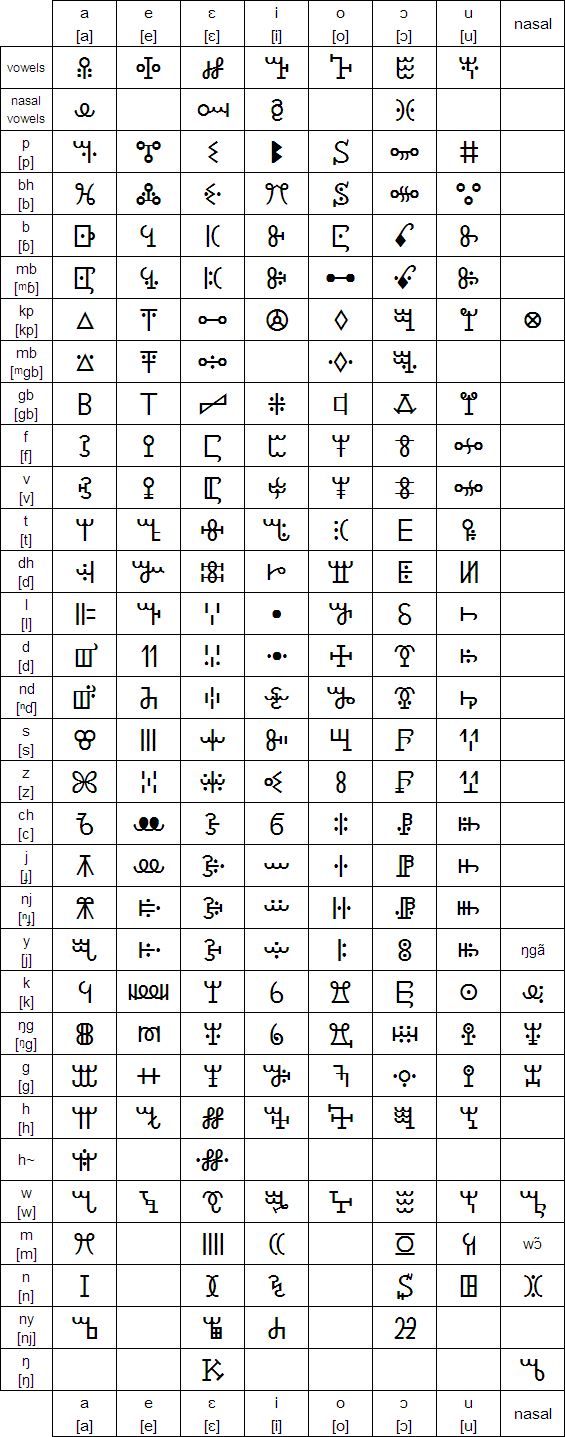
Indigenous writing represents one of the greatest achievements in the history of Liberia before and after independence. Long before modern education systems became common, some Liberian communities developed their own writing systems to preserve their languages, traditions, and knowledge.
One of the most important events on the Grain Coast was the invention of the Vai writing system in the 1830s by a Vai man named Dwalu Bukele. He was born in Bandakolo, Grand Cape Mount County. According to tradition, Dwalu Bukele became interested in writing after observing Europeans communicating through written languages while working on European vessels along the West African coast.
Traditional accounts state that Dwalu Bukele prayed for guidance to create a writing system. According to the story, he later gained the knowledge needed to develop the Vai script. His invention became one of Africa’s most recognized indigenous writing systems and was later studied by Liberians, Africans, Europeans, and Americans.
The Vai script allowed the Vai people to record their language, history, and cultural knowledge. It became an important symbol of African creativity and showed that African societies had their own ways of preserving information before European-style education became widespread.
Besides the Vai script, other indigenous Liberian writing systems were also developed. These include the Bassa Vah, Kpelle, and Lorma scripts.
The Bassa Vah script is one of the oldest indigenous writing systems in Liberia. It was traditionally associated with a man named Di Widah and was later modernized in the 1920s by Dr. Thomas Flo Lewis, a Liberian medical doctor of Bassa origin.
The Kpelle script was created in the 1930s by Chief Gbili of Sanoyea, Bong County. According to tradition, Chief Gbili received the knowledge of the script through a dream.
During the same period, the Lorma writing system was developed by Wido Zobo of Lofa County, who also created the script through traditional inspiration.
These indigenous writing systems are important parts of Liberia’s cultural heritage. They demonstrate the intelligence, creativity, and determination of Liberia’s ancestors in preserving their languages and identities.
Today, these scripts remain valuable historical treasures. They remind Liberians that African societies had developed their own methods of communication, education, and record keeping long before modern writing systems were introduced.
Bassa Alphabet: Tonal Marks
The Bassa writing system includes five tonal marks that help readers understand the pronunciation and meaning of words. These marks are an important part of the Bassa Vah script because the Bassa language uses tones to distinguish between different words and meanings.
The five tonal marks are:
Period (.)
Small backward “c” (ɔ)
Colon (:)
Hyphen (-)
Period inside a small backward “c” (.ɔ)
Source: Courtesy of the Library of Abba Karnga, Buchanan, Grand Bassa County.

References
Abayomi, A. A. (Ed.). Liberia: A Study in Political and Economic Development.
Huberich, Charles Henry. The Political and Legislative History of Liberia. New York: Central Book Company, 1947.
Sankawulo, Wilton G. Liberian History: A Study of the History of Liberia from Prehistoric Times to the Present.
Ellis, Stephen. The Mask of Anarchy: The Destruction of Liberia and the Religious Dimension of an African Civil War. New York University Press, 1999.
Dalby, David. “Indigenous Scripts of West Africa and Surinam: The Inscription and Design.” African Language Studies, Vol. IX, 1968.
Library of Abba Karnga, Buchanan, Grand Bassa County, Liberia. (Bassa alphabet chart source.)
National Archives of Liberia. Historical records and documents on Liberia’s early history.
Oral traditions and historical accounts from Liberian ethnic communities, including Vai, Grebo, Krahn, Kpelle, Lorma, and other groups.