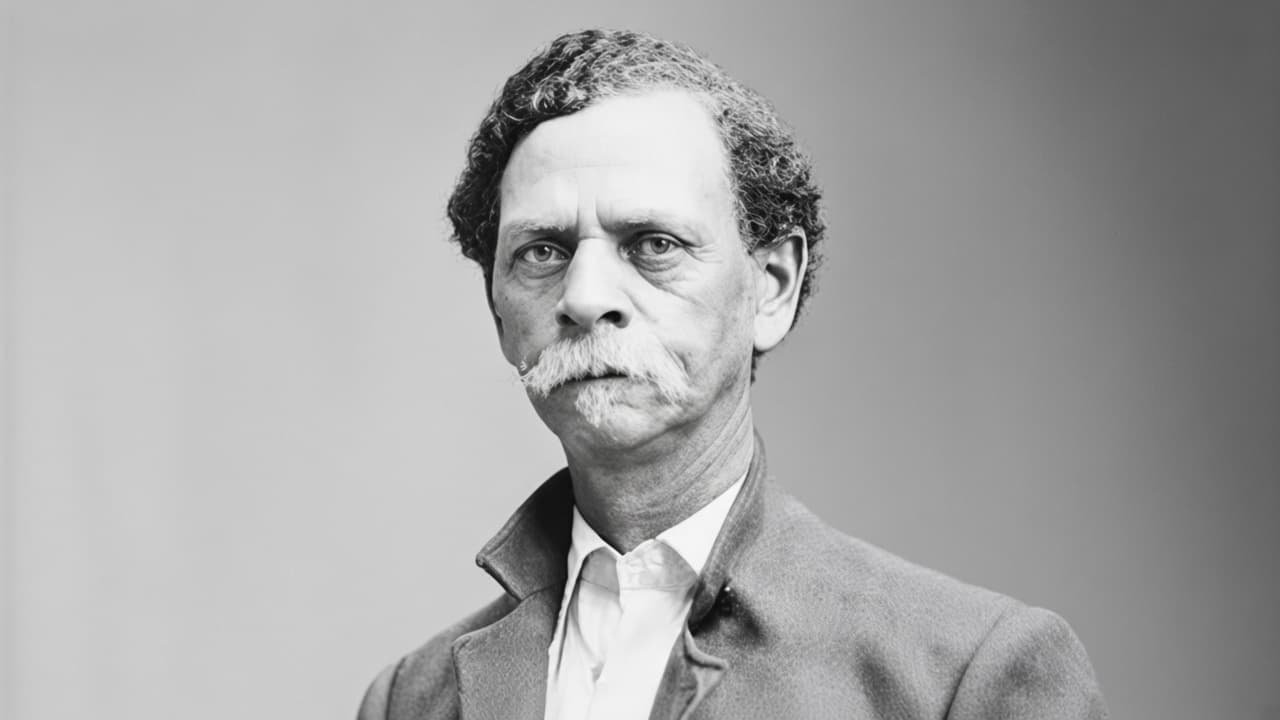
Joseph Jenkins Roberts: Liberia’s First President
Published Tue Oct 06 2026
Joseph Jenkins Roberts: Liberia’s First President
Joseph Jenkins Roberts was one of the most important political figures in the early history of Liberia. Born in Virginia in 1809, Roberts emigrated to Liberia with his family in 1829 and eventually became a merchant, government official, governor, and diplomat. He played a central role in Liberia’s transition from an American Colonization Society colony to an independent republic.
In 1841, Roberts became the first Black governor of the colony. When Liberia declared independence in 1847, he was elected its first president, beginning a political career that would span much of the republic’s early history. He served as president from 1848 to 1856 and later returned to the presidency from 1872 until his death in 1876.
His presidency was closely connected to some of Liberia’s most important early challenges: establishing an independent government, gaining international recognition, expanding Liberia’s territorial claims, developing foreign relations, and defining the political institutions of the new republic.
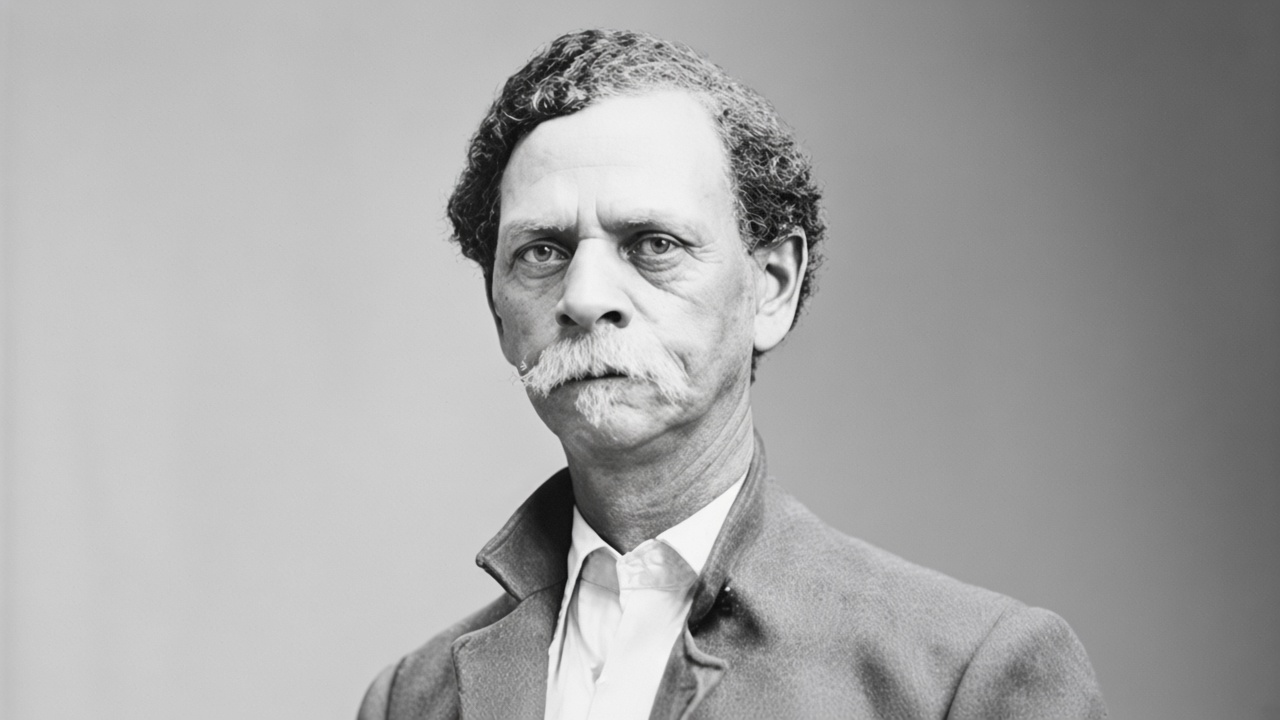
Early Life in Virginia
Joseph Jenkins Roberts was born in 1809 in Petersburg, Virginia, in the United States.
He grew up in a free Black family at a time when African Americans in the United States faced severe legal and social restrictions. His early experiences in Virginia took place within a society shaped by slavery and racial discrimination.
The American Colonization Society had established a colony on the West African coast for free and emancipated African Americans. Roberts and his family eventually decided to emigrate to Liberia.
In 1829, at about twenty years of age, Roberts left the United States for Liberia with members of his family. His arrival would begin a political career that eventually placed him at the head of Africa’s first independent republic founded by African Americans.
Arrival in Liberia
Roberts arrived in Liberia in 1829 and settled in Monrovia.
Like many early settlers, he had to adapt to a completely different environment from the one he had known in Virginia. Monrovia was still a developing settlement, and the colony faced problems involving disease, transportation, trade, food supplies, and relations with surrounding African communities.
Roberts soon became involved in commerce.
He established an import-export business in Monrovia that traded with the United States. His success as a merchant helped him become an influential member of the growing settler community.
His business experience also brought him into contact with merchants, foreign traders, government officials, and other influential people.
From Merchant to Government Official
Roberts gradually moved from business into public service.
He served as high sheriff and later held other important government positions. His political abilities and growing influence eventually brought him into the leadership of the colony.
In 1839, Roberts became vice governor of the Commonwealth of Liberia.
The following year, an important political change occurred. Thomas H. Buchanan, the white governor appointed by the American Colonization Society, died in 1841.
Roberts then became governor of Liberia.
This made him the first Black governor of the colony and placed him in a position of enormous responsibility at a critical moment in Liberia’s development.
Governor of Liberia
As governor, Roberts became increasingly involved in the effort to strengthen Liberia's political and economic position.
The colony was still under the influence of the American Colonization Society, but many settlers increasingly wanted greater control over their own government.
Roberts became one of the central figures in the movement toward political independence.
He also faced challenges involving Liberia's relationships with neighboring African societies and European powers operating along the West African coast.
British and French commercial and territorial interests were expanding in the region. Liberia therefore had to establish itself as a political entity capable of defending its interests and negotiating with foreign powers.
The Road to Independence
By the 1840s, political leaders in Liberia increasingly believed that the colony needed to become an independent nation.
A constitution was drafted, and Liberians prepared to establish a republic.
Roberts became a leading figure in this transition.
On July 26, 1847, Liberia declared its independence.
The new nation adopted a constitution modeled in important respects on the political system of the United States. The presidency, legislature, judiciary, and other institutions were established as parts of the new republic's government.
Joseph Jenkins Roberts was elected the first president of the Republic of Liberia.
He took office in January 1848.
For Roberts, this was the culmination of nearly two decades of political involvement in Liberia.
Liberia’s First President
Roberts inherited the enormous task of turning a newly declared republic into a functioning independent state.
Liberia needed international recognition, stable government institutions, economic resources, diplomatic relationships, and clearly defined territorial boundaries.
Roberts worked to establish Liberia's position among the nations of the world.
One of the major objectives of his administration was obtaining diplomatic recognition from foreign governments.
International recognition was important because Liberia needed foreign governments to acknowledge its sovereignty and its right to conduct its own affairs.
Roberts therefore devoted considerable attention to diplomacy.
Seeking International Recognition
During Roberts's presidency, Liberia established relations with foreign governments and worked to strengthen its international standing.
His administration sought recognition from European powers as well as the United States.
Roberts traveled internationally and represented Liberia abroad, helping present the new republic as an independent African state.
His diplomatic efforts contributed to Liberia's growing international recognition.
The significance of this should not be underestimated. Liberia was attempting to survive as an independent state during a period when European powers were expanding their influence and territorial control throughout Africa.
Liberia and the Fight Against the Slave Trade
Roberts also connected Liberia's territorial expansion and foreign policy with efforts against the Atlantic slave trade.
In 1849, he appealed to the government and people of the United States for assistance in purchasing the Gallinas territory.
In his letter, Roberts argued that bringing additional territory under Liberian control could help suppress the slave trade along parts of the West African coast.
This reveals an important part of Roberts's foreign policy: Liberia was attempting not only to establish itself as a sovereign country but also to present itself internationally as a state opposed to the continuation of the slave trade.
Expanding Liberia’s Territory
Territorial expansion became another major issue during Roberts's administration.
Liberia's early government claimed authority over portions of the West African coastline and sought to establish agreements with surrounding communities.
At the same time, Britain and France were expanding their own influence in West Africa.
Liberian leaders therefore believed that strengthening Liberia's territorial position was essential to protecting the country's independence.
Roberts's administration pursued treaties and agreements intended to extend Liberia's authority.
However, these developments were complicated.
The land that Liberia claimed was not empty. African communities had lived across the region for generations and had their own political systems, leaders, economies, and relationships with neighboring societies.
As Liberia expanded, relationships with Indigenous communities could involve trade and diplomacy but also disagreement and conflict.
This became one of the major contradictions of Liberia's early political development.
The Political System Under Roberts
The government established after independence was strongly influenced by American political institutions.
Liberia adopted a constitution that created a presidency, legislature, and judiciary.
Political power, however, was concentrated largely among the Americo-Liberian settler population.
Indigenous Africans living within and around the developing republic were not initially given equal political status within the new republic. The later exclusion of Indigenous Liberians from citizenship and political participation became a major part of Liberia's longer political history.
This is important when studying Roberts's era because the establishment of the Liberian republic involved both the creation of an independent African state and the development of a political system in which political participation was highly unequal.
Roberts and the Development of Monrovia
Monrovia continued developing during Roberts's presidency.
The city became the political center of the new republic and an increasingly important commercial port.
Government offices, businesses, churches, schools, residences, and trading activities contributed to its growth.
Roberts himself owned a house in Monrovia, which is documented in historical collections preserved by the Library of Congress.
The growth of Monrovia reflected Liberia's transformation from a collection of settlements into a functioning republic with a central government.
Education and the Liberia College Era
Education was also important in the development of the new republic.
Roberts later became president of Liberia College, an institution that played an important role in the country's intellectual and educational history.
The Library of Congress records that Roberts served as president of Liberia College before returning to the presidency in 1872.
His involvement with education reflected the importance that many early Liberian leaders placed on building institutions capable of educating future generations.
The End of Roberts’s First Presidency
Roberts served as Liberia's first president from 1848 until 1856.
After completing his second term, he left the presidency.
The country continued under other leaders, but Roberts remained an important figure in Liberian public life.
He continued to be involved in education, diplomacy, and national affairs.
His influence did not disappear when his first presidency ended.
A Return to the Presidency
More than a decade later, Liberia experienced another period of political uncertainty.
Roberts returned to national politics.
In 1872, he became president of Liberia for a second time.
This made him both the first president of Liberia and the country's seventh president, because several presidents had served between his two periods in office.
His return demonstrated the continuing political influence he had maintained since Liberia's founding.
His Second Presidency
Roberts's second presidency lasted from 1872 until 1876.
By this time, Liberia had changed significantly since the 1840s.
The country had a larger population, more established government institutions, and stronger international connections.
However, it still faced economic difficulties, territorial pressures, and political divisions.
Roberts returned to leadership during a period when Liberia was trying to strengthen the republic and manage the challenges of a changing West African political environment.
Joseph Jenkins Roberts and Liberia’s International Image
One of Roberts's most lasting contributions was helping establish Liberia's international identity.
Liberia was unusual in the nineteenth-century world.
It was an independent African republic at a time when European colonial expansion was rapidly transforming the continent.
Roberts understood that diplomacy was essential to protecting Liberia's independence.
His government therefore worked to establish relationships with foreign governments and demonstrate that Liberia was capable of conducting its own international affairs.
Historical records preserved by the Library of Congress include Roberts's correspondence with American officials and organizations, showing how actively he worked on Liberia's foreign relations.
His Relationship with the American Colonization Society
Roberts's political career was closely connected to the American Colonization Society, particularly during Liberia's colonial period.
The ACS had played a central role in establishing the colony, but Liberia's leaders eventually sought independence from its authority.
Roberts's career therefore reflects an important transition.
He moved from being a leader within a colony established through American colonization efforts to becoming the elected leader of an independent African republic.
That transition was one of the defining political developments of nineteenth-century Liberia.
A Complicated Historical Legacy
Roberts occupies an important but complex place in Liberian history.
He helped establish the institutions of the independent republic, strengthened Liberia's international relationships, and served as the country's first president.
At the same time, the political system that developed during the early republic did not provide equal political participation to all of the peoples living in Liberia.
The settler political elite held most political power, while Indigenous Liberians were excluded from citizenship for many decades.
Understanding both sides of this history is important.
Roberts's presidency represents a major achievement in the creation and international survival of Liberia, but it also belongs to a period when political inequality became embedded in the country's institutions.
His Final Years and Death
Roberts remained active in Liberian public life until his final years.
He was serving his second presidential term when he died on February 24, 1876.
He was 66 years old.
His death marked the end of the life of one of the central figures in Liberia's founding generation. His papers and correspondence have continued to provide historians with valuable evidence about the development of Liberia during the nineteenth century.
The Historical Importance of Joseph Jenkins Roberts
Joseph Jenkins Roberts is remembered primarily as Liberia's first president, but his historical importance extends beyond that title.
He was part of the generation that transformed Liberia from a settlement established by the American Colonization Society into an independent republic.
His career crossed several stages of Liberia's early history:
He arrived in Liberia as a young emigrant in 1829.
He became a successful merchant in Monrovia.
He entered government service.
He became vice governor.
He became governor in 1841.
He helped guide Liberia toward independence.
He became the first president of the Republic of Liberia.
He worked to gain international recognition for the new country.
He later returned as Liberia's seventh president.
He remained involved in national affairs until his death in 1876.
His life therefore provides a window into the creation of modern Liberia and the political challenges faced by the country's first generation of national leaders.
Why Joseph Jenkins Roberts Matters in Liberian History
Joseph Jenkins Roberts matters because he stood at the center of Liberia's transformation from colony to republic.
Under his leadership, Liberia began operating as an internationally recognized independent state.
His administration helped establish diplomatic relationships, strengthen government institutions, develop Monrovia, and assert Liberia's sovereignty.
But his era also helped establish political structures in which the Americo-Liberian elite held disproportionate power.
The history of Roberts is therefore not simply a story of political achievement. It is also part of the larger story of how Liberia developed its institutions, social divisions, and political traditions.
Studying Roberts allows us to understand both the hopes surrounding Liberia's independence and some of the inequalities that became embedded in the early republic.
Key Facts
Full Name: Joseph Jenkins Roberts
Born: 1809, Petersburg, Virginia, United States
Died: February 24, 1876
Arrived in Liberia: 1829
Major Occupation Before Politics: Merchant
Governor of Liberia: 1841–1848
First Presidential Term: 1848–1856
Second Presidential Term: 1872–1876
Historical Distinction: First president of the Republic of Liberia
Also Known As: Liberia's first and seventh president
Major Contributions: Establishing Liberia's early government, strengthening international relations, promoting Liberia's territorial claims, and representing the new republic abroad.
Learning Objectives
After reading this article, students should be able to:
Explain who Joseph Jenkins Roberts was and why he became important in Liberian history.
Describe Roberts's journey from Virginia to Liberia.
Explain how he rose from merchant to governor and then president.
Describe his role in Liberia's transition from colony to independent republic.
Explain why international recognition was important to early Liberia.
Identify important achievements and limitations of the political system that developed during his era.
Explain why Roberts served as both Liberia's first and seventh president.
Key Terms
American Colonization Society: Organization that promoted the settlement of free and emancipated African Americans in Africa and played a central role in establishing the colony that became Liberia.
Governor: The chief executive official who administered Liberia during its colonial period.
Republic: A state in which political authority is exercised through established governmental institutions rather than hereditary monarchy.
Sovereignty: The authority of a state to govern itself and conduct its own affairs.
Diplomacy: The practice of managing relationships between governments and countries.
Independence: The condition of a country governing itself without being controlled by another state.
Americo-Liberians: Descendants of African Americans who settled in Liberia and their communities, who became politically dominant during much of the country's early history.
Discussion Questions
How did Joseph Jenkins Roberts rise from a merchant to become Liberia's first president?
Why was international recognition important to Liberia after independence?
What challenges did Robert's face while trying to establish the new republic?
How did Roberts's administration contribute to Liberia's early development?
Why is Roberts's political legacy considered both important and complex?
What does Roberts's life tell us about Liberia's transition from colony to independent republic?
Conclusion
Joseph Jenkins Roberts was one of the central architects of early Liberia.
From his arrival in 1829 to his death in 1876, his life was closely connected to some of the most important events in the country's early history.
He became Liberia's first Black governor, helped guide the country toward independence, became its first president, represented the new republic internationally, and later returned to the presidency.
His legacy cannot be understood only through his achievements or only through the limitations of the political system of his time. Both are part of the historical record.
Roberts's story is ultimately the story of a young African republic struggling to establish itself in a rapidly changing world.
For Liberia, his presidency marked the beginning of a political tradition that would shape the country for generations.