
History of Liberia (1461–1876): From First European Contact to the Early Republic
Published Wed Aug 05 2026
History of Liberia (1461–1876): From First European Contact to the Early Republic
Introduction
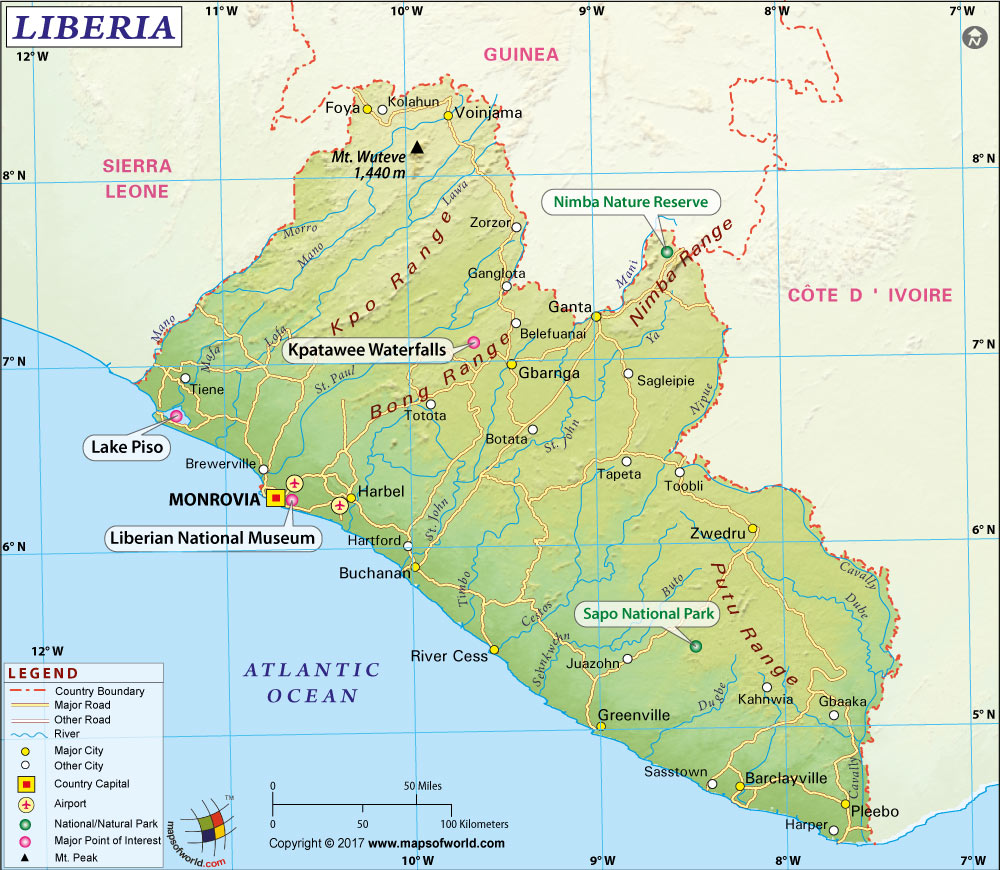
Liberia is one of Africa's most unique nations. It is Africa's oldest republic and the only African country that was never formally colonized by a European power. Located on the west coast of Africa along the Atlantic Ocean, Liberia has a rich history shaped by indigenous civilizations, European exploration, the transatlantic slave trade, and the establishment of an independent republic in 1847.
Long before the arrival of settlers from the United States, the region was home to thriving African communities with their own cultures, traditions, and systems of government. The journey from these early societies to the founding of the Republic of Liberia is a story of resilience, cooperation, conflict, and nation-building.
Liberia before European Contact
For thousands of years, the land now known as Liberia was inhabited by indigenous peoples who lived in organized communities. These societies relied on farming, fishing, hunting, and trade. Rice, cassava, yams, palm oil, and other crops supported local economies, while trade routes connected communities across West Africa.
Many of today's ethnic groups—including the Kpelle, Bassa, Vai, Kru, Gio, Mano, Grebo, Gola, Kissi, Lorma, Mandingo, and others—trace their roots to these early communities. Each group developed its own language, customs, leadership structures, and cultural traditions that continue to shape Liberia today.
The First Europeans Arrive (1461)
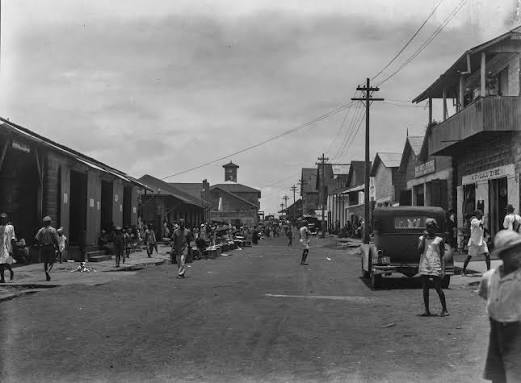
In 1461, Portuguese explorer Pedro de Sintra became one of the first Europeans to reach the coast of present-day Liberia. Portuguese sailors explored the coastline and named several important landmarks, including Cape Mesurado, Grand Cape Mount, and Cape Palmas.
European merchants soon began trading with local communities. One of the region's most valuable exports was the Melegueta pepper, also called the "Grains of Paradise." Because of this profitable trade, European traders referred to the area as the Grain Coast.
Although trade brought new opportunities, it also introduced the region to the growing transatlantic slave trade, which had devastating consequences for many West African societies.
The Movement to End Slavery
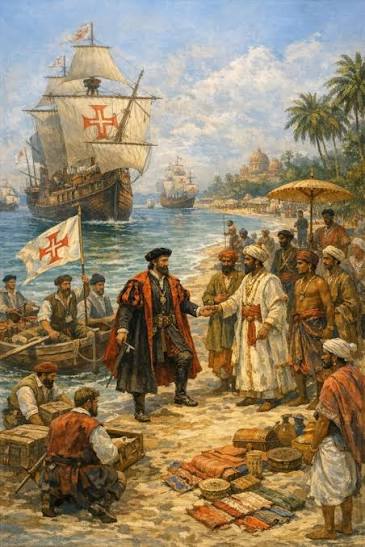
By the early nineteenth century, opposition to slavery had grown in the United States and Europe. At the same time, many formerly enslaved African Americans had gained their freedom but still faced discrimination and limited opportunities.
In 1816, the American Colonization Society was established with the goal of helping free African Americans settle in West Africa. After exploring different locations, the society selected Cape Mesurado as a suitable place for a new settlement.
In 1821, representatives of the society reached an agreement with local leaders to establish a settlement near Cape Mesurado.
The Arrival of the First Settlers (1822)
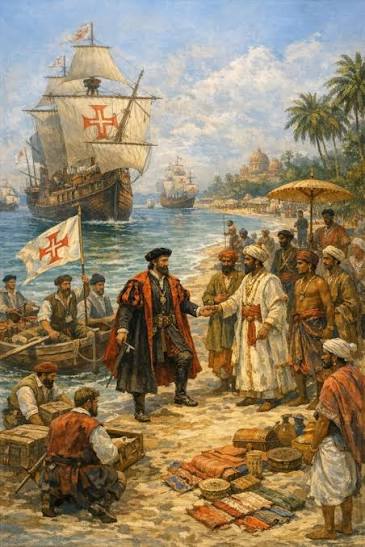
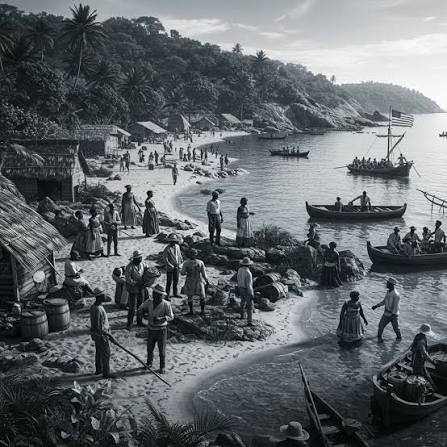
In 1822, the first group of freed African American settlers arrived at Providence Island, located at the mouth of the Mesurado River. The settlement faced many difficulties during its early years, including disease, food shortages, and conflicts with some local communities.
Despite these hardships, the settlers gradually built homes, schools, churches, businesses, and government institutions. Their determination laid the foundation for the future nation of Liberia.
Jehudi Ashmun and the Growth of the Colony
One of the colony's most influential early leaders was Jehudi Ashmun. Under his leadership, the settlement became more organized and stable. Ashmun strengthened the colony's defenses, introduced clearer laws, encouraged agriculture, and promoted trade with other countries.
By the late 1820s, the colony had developed a functioning government and was expanding along the Liberian coast.
Joseph Jenkins Roberts and the Road to Independence
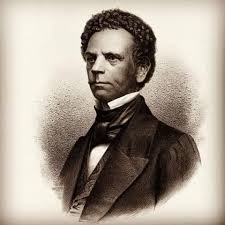
In 1841, Joseph Jenkins Roberts became the first Black governor of Liberia. Born free in Virginia, Roberts played a key role in expanding the colony, improving trade, and strengthening diplomatic relations with neighboring African communities and foreign governments.
As the colony grew stronger, many leaders believed it should become an independent nation rather than remain under the control of the American Colonization Society.
Independence in 1847
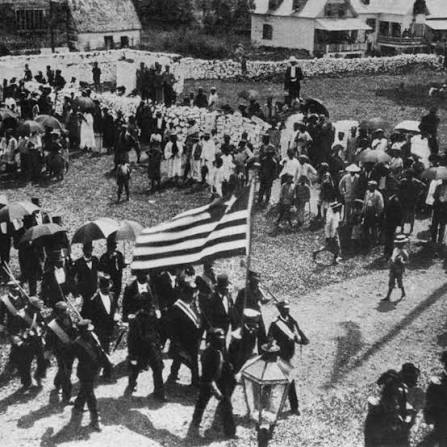
On July 26, 1847, Liberia officially declared its independence and adopted a constitution inspired by the Constitution of the United States. Joseph Jenkins Roberts was elected as the first President of the Republic of Liberia.
The new republic established three branches of government and adopted a national flag and coat of arms, symbols that remain important to Liberia today.
Although several countries recognized Liberia's independence within the following years, the United States did not officially recognize Liberia until 1862.
Building the Early Republic
After independence, Liberia worked to strengthen its economy, expand education, improve trade, and establish diplomatic relations with other nations.
The British and United States navies also helped suppress the illegal transatlantic slave trade along the Liberian coast, supporting international efforts to end the trade.
However, the young republic also faced serious challenges, including financial difficulties, limited infrastructure, and disagreements over government policies.
Political Challenges
In 1871, Liberia secured its first major foreign loan from Britain to support national development. The loan, however, became controversial because of its terms and the financial burden it placed on the country.
President Edward James Roye faced strong opposition over the loan and other political issues. In 1871, he was removed from office, marking one of the first major political crises in Liberia's history.
Joseph Jenkins Roberts later returned to serve as president once again, helping to stabilize the nation during a difficult period.
Conclusion
Between 1461 and 1876, Liberia experienced remarkable transformation. What began as a region of diverse indigenous societies became a growing colony and eventually Africa's oldest independent republic.
The leadership of pioneers such as Joseph Jenkins Roberts, the determination of the early settlers, and the resilience of Liberia's indigenous communities all shaped the country's early development.
Understanding this period provides an important foundation for exploring Liberia's later political, economic, and social history.